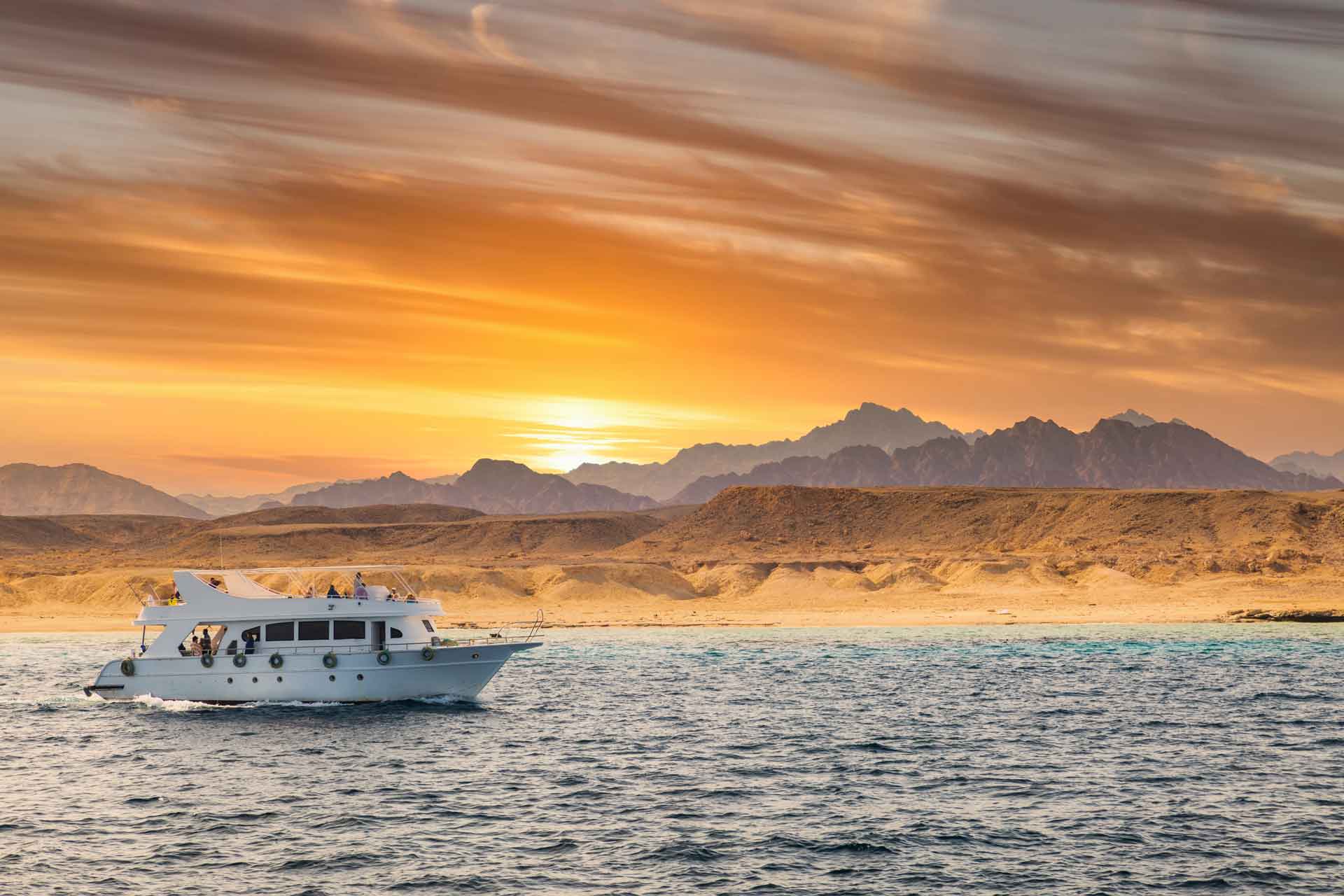
About The Brothers Liveaboard Diving
The Brothers islands, Big Brother and Small Brother boast an array of dive sites, each promising a unique underwater experience.
The coral landscapes at The Brothers Islands serve as a natural habitat for an impressive range of marine life, including majestic napoleon wrasse and sleek barracudas, along with abundant populations of colorful reef fish.
Additionally, divers stand a good chance of encountering various species of sharks, such as oceanic whitetips, grey reef sharks, and occasionally, the elusive hammerheads. Many liveaboard diving trips in the Red Sea feature stops at The Brothers Islands, making it a staple destination in numerous itineraries.
The Brothers Dive Sites
Big Brother: Big Brother Island is the larger of the two Brothers Islands and is situated approximately 70km off the coast of El Quseir, Egypt. It's a popular stopover in liveaboard itineraries, given its location within the Marine Protected Area of the Red Sea.
Little Brother: Little Brother Island lies in close proximity to its larger counterpart and is another frequent inclusion in liveaboard dive itineraries within the Red Sea Marine Protected Area.
The water temperature around The Brothers Islands varies depending on the season: Winter (December to February): Around 22–24°C (72–75°F). Summer (June to August): Around 27–30°C (80–86°F). A 5mm wetsuit is recommended for winter diving, while a 3mm wetsuit should suffice during the summer months.
Most of the Egypt liveaboards include The Brothers in their itineraries together with Daedalus Elphinstone
When To Go To The Brothers?
While The Brothers can be visited year-round, the best time for liveaboard diving is during the months of April to November. During this period, the seas are relatively calm, and the visibility is excellent, often exceeding 30 meters. The summer months are great for spotting sharks, especially hammerheads and oceanic whitetips.
Tips For Travelers
Withdraw some Egyptian Pounds (EGP) from ATMs at the Marsa Alam International Airport or exchange currency for tipping and additional expenses.
Confirm if your liveaboard package includes airport transfers. If not, negotiate with a taxi at the airport or book a car service to reach Marsa Ghalib Port.
Egypt uses Type C and Type F electrical sockets. Bring appropriate adapters to charge your devices.
Invest in comprehensive dive insurance that covers emergencies, including hyperbaric chamber treatments and evacuation.
How to get there & Ports of Departure?
The journey begins with your arrival at Marsa Alam International Airport (RMF) and ends with your embarkation at Marsa Ghalib Port, setting you on course for a spectacular diving adventure.
Transportation to the Port of Embarkation: Marsa Ghalib Port
Essential Travel Tips for Liveaboard Adventures
- Marine Park Fees: Be aware of per person, per day marine park fees. Some liveaboard packages include these fees, while others require onboard payment. Payment options include Visa, Mastercard, cash, or travelers checks.
- Passport Validity: Ensure your passport is valid for at least 6 months after your planned entry date. Most countries require this, along with a return ticket. Check visa requirements in advance.
- Health Preparations: Consult your doctor 8 weeks prior to your trip for vaccinations or preventive measures recommended for your destination.
Note: Please review the specific terms and conditions of your chosen liveaboard for any additional marine park fees or travel requirements.