Se sei il tipo di subacqueo che organizza l'anno intero in funzione di una singola specie – due settimane a caccia di banchi di squali martello, una settimana con le mante in una stazione di pulizia, quattro giorni in mezzo a un branco di squali balena – la domanda non è tanto "dove", quanto piuttosto "dove in questo mese, con questa marea, a questa temperatura". I grandi animali non si muovono secondo il calendario di marketing dell'industria subacquea. Si muovono in base al plancton, alle correnti, ai cicli lunari e alla temperatura dell'acqua, e non gli importa quanto sia bella la brochure.
Quella che segue è una guida pratica mese per mese al calendario mondiale dei grandi animali, incentrata interamente sui viaggi che è realisticamente possibile prenotare tramite una crociera subacquea. Ogni voce presuppone che pianifichiate con tre-sei mesi di anticipo; la maggior parte di queste finestre si esaurisce, e alcune di esse (Socorro a febbraio, Galapagos a luglio, Cocos a giugno) si esauriscono con un anno di anticipo. L'obiettivo non è quello di essere esaustivi. L'obiettivo è quello di fornirvi gli abbinamenti specie-mese che garantiscono risultati costanti, oltre ai dettagli pratici su cosa cambia nelle settimane di transizione di ciascuna finestra.
Come leggere questo calendario
Tre cose da tenere a mente prima di iniziare ad abbinare gli anni alle specie.
In primo luogo, "picco" non significa "garantito". Anche nel mese migliore nel sito migliore, potreste avere una settimana tranquilla. Gli dei delle immersioni non sono affidabili. Ciò che "picco" significa è che le probabilità statistiche di un avvistamento sono al massimo, e il viaggio è costruito attorno a quella specie piuttosto che inseguirla alla cieca.
In secondo luogo, le finestre stagionali non sono simmetriche. L'inizio di una stagione è spesso più tranquillo ed economico rispetto alle settimane di chiusura; per molte specie, la parte finale della finestra è quando gli animali sono più concentrati. Se siete flessibili, le ultime tre settimane di una stagione spesso superano le prime tre sotto ogni aspetto, tranne che per l'affluenza.
In terzo luogo, l'operatore è importante tanto quanto il mese. Una barca che opera alle Galapagos ogni anno e ha lo stesso capitano che legge le correnti a Darwin Arch dal 2014 vi porterà a vedere gli squali martello. Una barca che è appena passata a quella destinazione potrebbe non farlo. Quando scegliete il viaggio, chiedete da quanto tempo l'operatore lavora su quell'itinerario specifico.
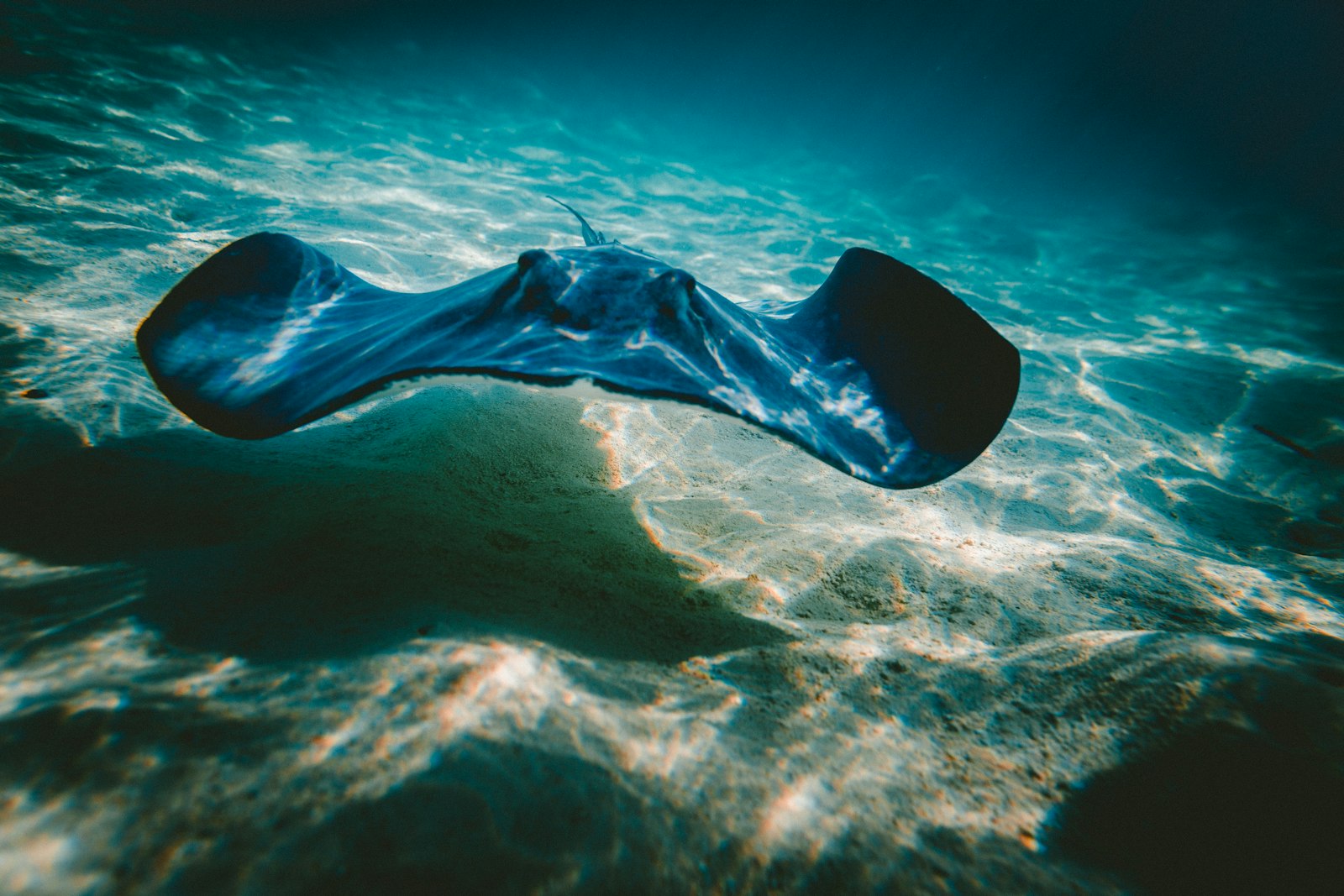
Gennaio, Maldive, Bahamas, Socorro
Il monsone di nord-est si è ormai stabilizzato alle Maldive. Gli squali martello nell'atollo di Rasdhoo seguono il loro schema all'alba in modo affidabile, spuntando dal nulla all'angolo del canale in gruppi da 30 a 80 esemplari intorno alle 6:30 del mattino. Gli squali balena lungo l'atollo di Ari Sud si avvicinano, spesso all'interno delle acque basse della laguna. Gli atolli centrali (Malé Nord, Malé Sud, Ari) sono al loro meglio per le immersioni sulla barriera corallina.
Alle Bahamas, la stagione degli squali tigre a Tiger Beach è in pieno svolgimento. Gennaio e febbraio sono in genere i mesi più tranquilli per le traversate da West End o Grand Bahama, con una media di tre o quattro squali tigre per immersione per gli operatori migliori. L'acqua è fresca (in genere 24 °C), quindi è necessaria almeno una muta da 5 mm, con cappuccio facoltativo.
Attraverso il Pacifico, le crociere subacquee a Socorro, nell'arcipelago messicano di Revillagigedo, stanno operando a pieno regime. Le mante giganti del Pacifico a El Boiler e El Cañon sono l'attrazione principale; gli squali martello smerlati a Roca Partida; i delfini tursiopi che nuotano dritti verso la vostra fotocamera; e una reale possibilità di avvistare false orche o globicefali a pinna corta in transito tra i siti. Gennaio è uno dei mesi con il tempo più stabile nella traversata di Revillagigedo, il che è più importante di quanto sembri perché la navigazione in mare aperto di 24 ore da Cabo può diventare abbastanza agitata da compromettere tre giorni di immersioni nella settimana sbagliata.
Febbraio, picco di Socorro, Maldive, Mare di Cortez (tarda stagione)
Il periodo di Socorro è al suo picco assoluto. Statisticamente, metà febbraio è la settimana più affidabile al mondo per immergersi con le mante che sono interessate a te (la differenza tra una manta che ti sfiora e una manta che torna indietro per stabilire un contatto visivo con la tua cupola subacquea). I dati degli operatori che abbiamo esaminato indicano che la seconda e la terza settimana di febbraio hanno una probabilità superiore al 90% di un incontro con più mante per immersione a El Boiler.
Gli atolli centrali delle Maldive rimangono nel pieno del monsone di nord-est. La visibilità è al suo massimo annuale, aggirandosi intorno ai 30 metri nella maggior parte di Ari e Vaavu. Gli atolli meridionali, Huvadhu e Addu, sono più facili da raggiungere a febbraio rispetto ai mesi di transizione del monsone più avanti nell'anno.
Il Mare di Cortez inizia a risvegliarsi per la finestra delle megattere di fine febbraio. Gli avvistamenti avvengono dalla barca piuttosto che con le bombole (la legge messicana limita gli avvicinamenti ravvicinati allo snorkeling), ma vale la pena saperlo se siete già nella regione e volete spezzare una settimana di immersioni in acque fredde con qualcosa di caldo.
Marzo, fine della stagione a Socorro, stagione fresca alle Galapagos, Komodo in fase di chiusura
L'ultimo mese a Socorro prima della chiusura della stagione estiva. L'affluenza a El Boiler è maggiore rispetto a febbraio, ma gli avvistamenti di mante sono ancora frequenti; gli squali seta a Roca Partida sono affidabili per le prime tre settimane di marzo. L'ultima settimana della stagione spesso vede prezzi ridotti da parte degli operatori, poiché le imbarcazioni si dirigono a nord per essere rimesse a punto.
Le Galapagos sono nella loro stagione fresca e secca (i mesi della garúa). La visibilità è migliore rispetto alla stagione calda, ma i banchi di pesci pelagici non hanno ancora raggiunto la densità massima. Le isole centrali, in particolare Cousins Rock e i monti sottomarini al largo di Santa Cruz, sono eccellenti per i leoni marini, i mola mola e i passaggi delle aquile di mare, che non si vedono in numero così elevato quando Darwin e Wolf sono al massimo.
La stagione standard di Komodo volge al termine a marzo. I siti meridionali (Manta Alley, Cannibal Rock) iniziano a perdere gli affidabili raduni di mante man mano che l'acqua si riscalda. Entro l'ultima settimana di marzo la maggior parte degli operatori si sta riposizionando a nord verso Raja Ampat per la bassa stagione tardiva, che è il segnale per il prossimo articolo.
Aprile, bassa stagione alle Galapagos, bassa stagione a Raja Ampat, Sipadan
Uno dei mesi migliori dell'anno per i subacquei che vogliono andare dove gli altri non vanno. Le destinazioni di punta più famose sono tra una stagione e l'altra, gli operatori offrono sconti aggressivi e le immersioni nelle destinazioni di fine stagione sono davvero eccellenti.
Sipadan e le montagne sottomarine del Borneo stanno attraversando la loro finestra stabile di aprile. I banchi di barracuda, carangidi e le tartarughe verdi e embricate residenti sono una certezza. Le immersioni macro nelle vicine Mabul e Kapalai sono al loro meglio. Il sistema di permessi a Sipadan limita il numero di subacquei al giorno, il che è un vantaggio e non uno svantaggio, ma significa che è necessario prenotare in anticipo il pacchetto resort e crociera subacquea.
Gli squali balena nella baia di Cenderawasih, in Papua Occidentale, iniziano la loro stagione di punta. Questi animali vengono nutriti dalle piattaforme di pesca indonesiane (bagans) e sono essenzialmente affidabili come una visita allo zoo, con le ovvie riserve etiche. Se per voi è importante un incontro con gli squali balena in acqua che sia autentico, Cenderawasih è la scommessa più sicura del calendario, ma è anche la meno "selvaggia" tra le principali destinazioni per gli squali balena.
Maggio, Cenderawasih, Komodo apre, Maldive in transizione
Inizia l'alta stagione a Komodo. I siti meridionali di Komodo (Manta Alley, Cannibal Rock, Yellow Wall) sono i protagonisti. Gli aggregati di mante si ricostituiscono con il ritorno delle correnti ascensionali più fredde; le immersioni macro a Cannibal Rock iniziano a dare risultati affidabili; e le barche che hanno svernato a Raja Ampat sono ora in posizione. L'inizio di maggio tende ad avere un rapporto subacquei/cabine migliore perché la maggior parte dei subacquei non sa ancora che la stagione è iniziata.
Le Maldive stanno passando al monsone di sud-ovest. La visibilità si riduce leggermente ad Ari e Vaavu; gli atolli centrali sono ancora buoni, ma il sud sta diventando la zona più interessante. Il periodo per gli squali balena a South Ari, all'inizio di maggio, dura fino a quando le correnti non si invertono completamente, in genere intorno alla seconda settimana.
Giugno, picco a Cocos, Komodo, Figi
Le crociere subacquee alle Isole Cocos iniziano la loro stagione di punta per gli squali martello. La traversata di 36 ore da Puntarenas in Costa Rica è il fattore determinante qui; il viaggio scremando i subacquei che non riescono a gestire il mare aperto. Ciò che si ottiene in cambio sono banchi di squali martello ad Alcyone e Dirty Rock con una densità che nessun altro posto offre, oltre a immersioni notturne affidabili con gli squali pinna bianca da barriera negli stessi siti dove si sono visti i banchi di giorno. Abbiamo scritto un confronto più approfondito tra le Galapagos e le Cocos, se state cercando di scegliere tra le due.
Komodo raggiunge il suo momento d'oro. I siti meridionali sono al loro apice, mentre quelli settentrionali (Castle Rock, Crystal Rock, Batu Bolong) iniziano a diventare accessibili man mano che la visibilità migliora. Giugno è il mese in cui è possibile fare un viaggio a Komodo e aspettarsi ragionevolmente di vedere entrambe le estremità dell'arcipelago nella stessa settimana.
A Bligh Water, nelle Fiji, i coralli molli danno il meglio di sé con l'arrivo delle correnti stagionali. Questo è il viaggio da prenotare se avete già fatto la vostra parte di caccia ai pelagici e volete una settimana di puro colore della barriera corallina. La stagione fresca delle Galapagos sta iniziando a migliorare; Darwin e Wolf passano da "buoni" a "eccellenti" nella seconda metà di giugno.
Luglio, picco alle Galapagos, Komodo, Palau
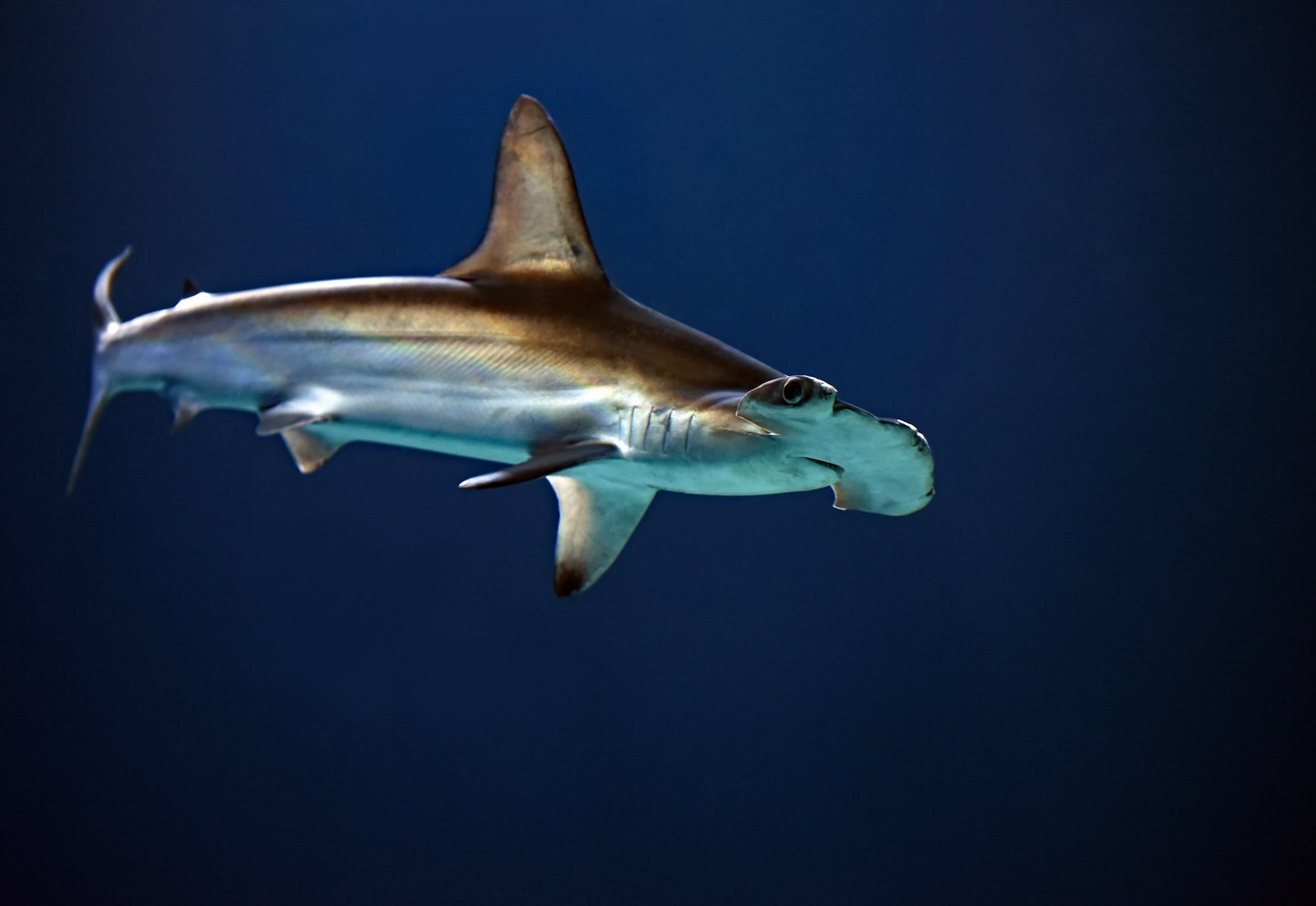
Questo è il mese attorno al quale molti subacquei esperti organizzano il loro anno. Gli squali balena a Darwin Arch stanno arrivando in gran numero, gli squali martello si radunano in modo affidabile a mezz'acqua sotto l'arco, e l'attività degli squali setosi e delle Galapagos a Wolf è la più costante di tutto l'anno. Due giorni interi a Darwin e Wolf negli itinerari più lunghi alle Galapagos sono la scelta giusta; le barche che fanno tre giorni in ciascuna località (i viaggi più lunghi di 10 e 11 notti) valgono il sovrapprezzo se si riesce a trovare una cabina.
Il Peleliu Express di Palau è in servizio durante la stagione degli squali toro; la stazione di pulizia delle mante nel Canale Tedesco è affidabile; e i periodi di aggregazione per la riproduzione nel Canale di Ulong possono offrire eventi a livello di specie (dentice a due macchie, pesce pappagallo) se la settimana della vostra visita coincide con la fase lunare giusta. Komodo continua ad essere al culmine della stagione.
Agosto, picco alle Galapagos, Komodo, Bahamas fuori stagione, Maldive Baa
Il picco delle Galapagos continua. Il sud di Komodo è ancora al suo meglio. Le escursioni per gli squali tigre alle Bahamas volgono al termine (gli operatori passano agli incontri con i delfini poiché l'estate riscalda l'acqua oltre la temperatura di comfort degli squali tigre). Gli atolli centrali delle Maldive, in particolare l'atollo di Baa, sono nel pieno della stagione della stazione di pulizia delle mante a Hanifaru Bay. Gli itinerari di otto notti incentrati su Baa sono la scelta giusta; l'aggregazione di mante a Hanifaru Bay durante una fase lunare che produce una forte fioritura di plancton è una di quelle cose che si ricordano per anni.
Una nota importante su Hanifaru: le normative delle Maldive consentono solo lo snorkeling nella baia stessa, non le immersioni subacquee. Gli operatori subacquei gestiscono un modello ibrido con immersioni subacquee nelle stazioni di pulizia circostanti e sessioni di snorkeling nella baia. Se desiderate un'esperienza con le mante esclusivamente subacquea in agosto, prendete in considerazione i siti di Vaavu e South Ari, che sono meno spettacolari ma comunque eccellenti.
Settembre, apertura di Raja Ampat, picco delle Galapagos, inizio del Mare di Banda
Il primo mese di transizione a Raja Ampat. L'influenza del monsone di sud-ovest sta svanendo; le condizioni si stabilizzano rapidamente a partire dalla seconda settimana. Le traversate del Mare di Banda iniziano a metà mese: lunghi itinerari da Ambon o Sorong con squali martello a Manuk, banchi di barracuda a Suanggi e le spettacolari pareti delle isole vulcaniche a Banda Neira. Si tratta di viaggi da 10 a 14 notti, costosi, e generalmente disponibili solo a settembre e ottobre, quindi è una decisione da prendere ora o aspettare un anno.
Il picco delle Galapagos continua per tutto il mese, con la seconda metà di settembre che spesso produce i banchi di squali martello più concentrati dell'anno, man mano che l'upwelling freddo si intensifica. L'Isola di Cocos rimane eccellente.
Ottobre, coda delle Galapagos, Mare di Banda, picco sud-occidentale delle Maldive
Il picco delle Galapagos termina. I banchi in acque fredde continuano nella prima metà di ottobre, poi l'acqua si riscalda e la densità pelagica cala. Le ultime partenze dell'anno sono talvolta le più convenienti dell'intera stagione delle Galapagos perché le imbarcazioni sanno di avere una lunga bassa stagione davanti a sé.
Le traversate nel Mare di Banda sono nel loro mese migliore: acque più calme, tempo più stabile, finestre di visibilità prevedibili più lunghe. Il monsone sud-occidentale delle Maldive è al picco di produttività; gli atolli centrali e il sud sono entrambi eccezionali. Gli squali tigre a Fuvahmulah, nell'estremo sud delle Maldive, sono affidabili per tutto ottobre e novembre; gli operatori con base a Fuvahmulah organizzano uscite giornaliere, ma sono attivi anche gli itinerari più lunghi in crociera che combinano Fuvahmulah con Addu e Huvadhu.
Novembre, apertura di Raja Ampat, transizione alle Maldive, ritorno alle Bahamas
La stagione di Raja Ampat inizia sul serio. Le prime due settimane di novembre sono di bassa stagione, le ultime due segnano l'inizio del picco. Le Maldive stanno tornando al monsone di nord-est; la visibilità negli atolli centrali inizia a migliorare. Gli squali balena a South Ari godono della massima visibilità subacquea, il che è importante perché fa la differenza tra vedere lo squalo come una sagoma e come un animale ben definito nel mirino.
Gli operatori specializzati negli squali tigre alle Bahamas ricominciano la loro stagione invernale. Le prime due settimane tendono ad essere tranquille; dalla terza settimana gli squali tigre residenti tornano alle stazioni di esche e gli incontri sono garantiti.
Dicembre, Raja Ampat, Maldive, Socorro riapre
Raja Ampat è in pieno fermento. Le settimane di punta (Natale, Capodanno, la seconda metà di dicembre) sono le più costose dell'intero calendario mondiale delle crociere subacquee; prenotale con diciotto mesi di anticipo o accontentati di ciò che resta. La limpidezza del monsone di nord-est alle Maldive è tornata su tutta la linea. Socorro riapre dopo la chiusura estiva; le primissime crociere subacquee della stagione sono in genere le più tranquille e hanno i prezzi più aggressivi perché gli operatori stanno ancora riscaldando il flusso delle prenotazioni.
I viaggi che vale più la pena pianificare con un anno di anticipo
Se aveste un piano quinquennale e voleste vedere tutte le principali specie pelagiche al loro meglio, con un viaggio importante all'anno e un budget sufficiente per farlo come si deve, ecco la rotazione che vi suggeriamo. L'ordine non è sacrosanto; è strutturato in base alle finestre stagionali, in modo che ogni anno offra un animale caratteristico diverso.
- Primo anno, febbraio: Socorro per le mante giganti del Pacifico e gli incontri con i delfini. Minimo otto notti, dieci se potete permettervelo.
- Anno due, luglio o agosto: Galapagos con due giorni interi a Darwin e Wolf. Dieci o undici notti, su una barca che percorre lo stesso itinerario ogni anno.
- Anno tre, ottobre: una traversata del Mare di Banda. Lunga, remota, con correnti vere, tutte le specie di megafauna che non avete ancora spuntato dalla lista, più alcune che non sapevate di poter incontrare.
- Quarto anno, giugno o luglio: Isola di Cocos per la densità di squali martello che nessun altro posto offre. Dieci o dodici notti; la traversata è la parte peggiore e le immersioni sono la parte migliore.
- Anno cinque, agosto o settembre: Atollo di Baa alle Maldive per le settimane delle mante a Hanifaru, o Fuvahmulah per le tartarughe tigre se hai già fatto il circuito delle mante.
Le destinazioni pelagiche minori che la gente dimentica
I titoli attirano l'attenzione; le destinazioni di secondo piano a volte offrono le settimane di immersione più interessanti.
Squali volpe a Malapascua
Immersioni quotidiane all'alba a Monad Shoal, tutto l'anno, con un periodo più affidabile da marzo a maggio. Non è una vera destinazione per crociere subacquee (le barche partono per gite di un giorno dall'isola di Malapascua), ma vale la pena trascorrervi una settimana in resort se siete interessati agli squali pelagici.
Squali pinna bianca oceanici a Cat Island, Bahamas
Aprile e maggio. Una sola specie, un unico periodo, sei ore di traversata da Nassau. Gli incontri sono in genere con tre-sette esemplari diversi nell'arco di una settimana, identificati dai motivi delle tacche sulle pinne. Non si tratta tecnicamente di un viaggio in crociera subacquea; gli operatori effettuano gite giornaliere in barca da Cat. Lo menzioniamo qui perché i subacquei alla ricerca di una lista completa di grandi animali spesso se lo lasciano sfuggire.
Pesce vela a Isla Mujeres, Messico
Da dicembre a marzo. Solo snorkeling, non immersioni subacquee, ma vale la pena fare una deviazione se vi trovate nella regione per gli squali tigre o Socorro.
Branchi di mobule nel Mare di Cortez
Da maggio a luglio. Snorkeling e apnea, con alcuni operatori subacquei che organizzano immersioni nelle vicinanze. Il comportamento di aggregazione è diverso da qualsiasi altro nel Pacifico.
Errori da evitare
Prenotare prima la destinazione e poi il mese
L'errore più grande che commettono i subacquei che si dedicano agli animali di grandi dimensioni. Invertite l'ordine. Scegliete la specie, scegliete il mese, poi scegliete l'operatore con la migliore reputazione nel portare i clienti a vedere quella specie in quelle acque. Un viaggio alle Galapagos a marzo è un viaggio diverso da un viaggio alle Galapagos ad agosto. Un viaggio alle Maldive a maggio è un viaggio diverso da un viaggio alle Maldive a novembre.
Sottovalutare la traversata
Cocos, Socorro, le isole più a nord delle Galapagos e la maggior parte dei viaggi nel Mare di Banda comportano traversate in mare aperto di 18-36 ore per tratta. Portate con voi farmaci adeguati contro il mal di mare e iniziate a prenderli prima che la barca salpi dal molo. Un subacqueo che perde due giorni a causa del mal di mare in un viaggio di 10 notti ha appena pagato il doppio per le sue immersioni.
Saltare la seconda settimana
Se una destinazione ha una stagione che dura quattro mesi, il marketing tende a promuovere i due mesi centrali. Le prime e le ultime tre settimane del periodo sono spesso più tranquille, più economiche e gli animali sono ancora presenti. L'apertura pre-natalizia a Socorro e le partenze per le Galapagos a fine ottobre sono due esempi specifici che vale la pena prendere in considerazione.
Scegliere la barca sbagliata per la destinazione
Una barca che offre settimane eccellenti alle Maldive non è automaticamente la barca giusta per le Cocos. La traversata richiede più da un'imbarcazione rispetto alle immersioni. Controlla i record di sicurezza specifici dell'operatore, l'esperienza del capitano e lo scafo della barca (scafo in acciaio per le traversate in mare aperto, phinisi tradizionale per le destinazioni protette).
Domande frequenti
Quanti anni ci vogliono per vedere tutte le specie più famose?
Realisticamente, da tre a cinque anni se si può fare un viaggio importante in crociera subacquea all'anno e si scelgono con cura i mesi. Il vincolo non è la specie, ma i conflitti di calendario. Le Isole Cocos e le Galapagos si sovrappongono. Socorro e le Bahamas si sovrappongono. La stagione delle mante alle Maldive e l'alta stagione a Komodo si sovrappongono. È possibile comprimere la rotazione effettuando due viaggi all'anno, ma la maggior parte dei subacquei ritiene che il ritmo di un grande viaggio all'anno sia sostenibile sia in termini di budget che di ferie.
Le stagioni degli animali di grandi dimensioni stanno diventando meno affidabili?
Alcune sì, altre no. Gli aggregati pelagici che dipendono dalle correnti fredde di risalita (Galapagos, Cocos, l'estremo sud delle Maldive) sono stati un po' più variabili negli ultimi cinque anni, poiché i modelli ENSO sono cambiati. Le mante delle stazioni di pulizia (Socorro, Baa, Komodo) sono rimaste sostanzialmente stabili. I periodi di avvistamento degli squali balena che dipendono dalla fioritura del plancton (Cenderawasih, Ari del Sud) tendono ad essere più sensibili alle condizioni meteorologiche rispetto al passato. Il riassunto onesto: scegliete con cura l'anno e consultate i rapporti recenti degli operatori prima di impegnarvi per un periodo di una settimana.
Vale la pena pagare di più per un viaggio più lungo?
Per la caccia ai pelagici, quasi sempre sì. Un viaggio di 10 notti con due giorni interi a Darwin nelle Galapagos batte, sotto ogni punto di vista, un viaggio di 7 notti con un solo giorno a Darwin. L'economia dei prezzi delle crociere subacquee implica solitamente che il costo marginale delle notti dall'ottava alla decima sia significativamente inferiore rispetto alle prime sette. Guardate la tariffa per notte, non il prezzo di copertina, e vedrete che i viaggi più lunghi spesso costano dal 20 al 30% in meno a notte.
E per quanto riguarda i livelli di certificazione subacquea per questi viaggi?
Cocos, Socorro e Galapagos richiedono tutti almeno il brevetto Advanced Open Water più 50-100 immersioni registrate, e gli operatori migliori chiedono la certificazione nitrox perché la maggior parte delle immersioni si svolge ai limiti della profondità ricreativa. Le Maldive sono più flessibili (molte settimane di resort con subacquei certificati solo Open Water), ma gli itinerari delle crociere subacquee che puntano alle immersioni nei canali e ai siti pelagici richiedono il brevetto Advanced e più di 50 immersioni. Se stai lavorando per il tuo primo viaggio alla scoperta dei grandi animali marini, ottieni prima le certificazioni e accumula le immersioni registrate a casa.
Quanto devo mettere in conto?
Prevedi da 4.500 a 9.000 dollari a persona per il viaggio stesso, a seconda dell'operatore e della cabina, più da 800 a 2.500 dollari per i voli, più da 300 a 600 dollari per i pernottamenti prima e dopo il viaggio, più da 200 a 500 dollari per le tasse del parco e i supplementi carburante. Il costo totale realistico per una settimana di crociera subacquea dedicata agli animali di grandi dimensioni si aggira tra i 6.000 e i 13.000 dollari a persona. Le settimane di bassa stagione riducono il costo del viaggio del 20-35%.
Ho bisogno di attrezzatura per la fotografia subacquea?
No, ma la maggior parte dei subacquei che organizzano la propria stagione intorno alla megafauna finiscono per desiderarla. Il miglior consiglio che possiamo dare è questo: se avete intenzione di investire in custodie e flash per un viaggio alle Galapagos o alle Cocos, provate l'attrezzatura a casa per almeno sei mesi prima di partire. Le settimane dedicate agli animali di grossa taglia non sono il momento giusto per mettere a punto le impostazioni dei flash; vi perderete l'incontro mentre armeggiate con le manopole.
Dove cercare
L'errore più grande che commettono i subacquei che cercano i grandi animali è prenotare prima la destinazione e poi il mese. Fai il contrario. Scegli la specie, scegli il mese, poi scegli l'operatore con la migliore reputazione nel portare i clienti a vedere quella specie in quelle acque.
Sfoglia le crociere subacquee attualmente disponibili per destinazione dall'indice delle destinazioni, oppure usa la ricerca viaggi per filtrare per regione e date. Se hai in mente una combinazione specifica di specie e mese e desideri un nostro consiglio sulla barca con il miglior track record in tal senso, contattaci. Di solito riusciamo a restringere la scelta a due o tre operatori entro un'ora e possiamo dirti quali di questi operatori potrebbero applicare uno sconto in una particolare settimana di bassa stagione.
Il calendario pelagico premia la pazienza e la scarsa abilità matematica. La pazienza è l'orizzonte di pianificazione; la scarsa abilità matematica è rendersi conto che spenderete in un solo anno più di quanto avete speso per le immersioni nei vostri primi tre anni messi insieme. Entrambe valgono la pena per le specie che siete venuti a vedere.