Das Rote Meer ist eines der Reiseziele für Tauchsafaris, für das man am einfachsten packen kann. Die Boote sind groß und modern, das Wasser ist warm genug, dass man fast das ganze Jahr über mit einem 3-mm-Neoprenanzug auskommt, und Hurghada sowie Marsa Alam sind von den meisten Orten in Europa aus nur einen kurzen Flug entfernt. Nichts davon hält die Leute davon ab, mit zwei übergroßen Koffern voller Dinge aufzutauchen, die sie nicht benutzen werden, und einer spärlichen Tauchausrüstung, in der zwei Teile fehlen, die das Boot nicht vorrätig hat. Nach einem Jahrzehnt, in dem wir diese Reisen organisieren und ausstatten, ist dieses Muster ermüdend und immer wiederkehrend.
Was folgt, ist eine praktische Packliste für eine 10-tägige Safari am Roten Meer in Ägypten, verfasst von Leuten, die diese Reisen dutzende Male unternommen und genau beobachtet haben, was am Ende der Woche unbenutzt vom Boot kommt. Hier sind ein paar Meinungen enthalten. Du wirst feststellen, dass wir keine einzige Marke empfehlen; der Markenkrieg ist ermüdend und die Ausrüstung, auf die es wirklich ankommt, ist die, der du vertraust.
Bevor Sie packen, machen Sie sich mit der Reise vertraut
Zehn-Nächte-Reisen am Roten Meer umfassen in der Regel etwa 28 bis 32 Tauchgänge. Die meisten Boote bieten vom zweiten bis zum achten Tag vier Tauchgänge pro Tag an, zwei am ersten Tag (ein kurzer Testtauchgang) und einen frühen Tauchgang am neunten Tag. Du wirst etwa zwei Drittel deiner Tageslichtstunden entweder im Wasser, im Neoprenanzug oder im Badeanzug verbringen und auf den nächsten Tauchgang warten. Das verbleibende Drittel entfällt auf Mahlzeiten, Schlaf und Lesen während der Oberflächenpause.
Drei große Routenkategorien bestimmen, was du einpacken solltest:
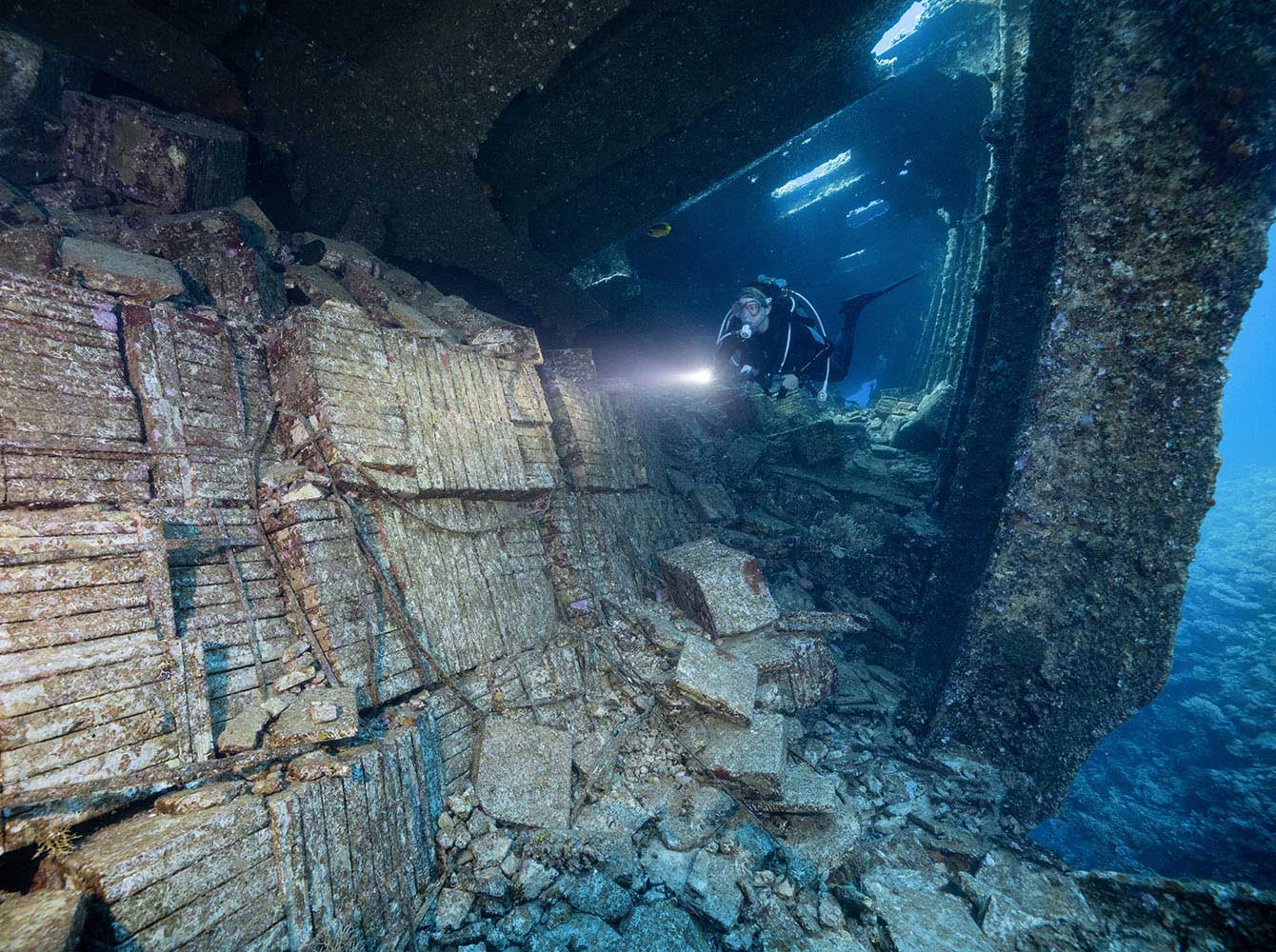
- Wracks im Norden (Thistlegorm, Rosalie Moller, Carnatic, Giannis D, Chrisoula K). Kühleres Wasser, Wrackdurchschwimmen, Tiefe. Oft kombiniert mit den Brothers oder Daedalus.
- Die Brothers, Daedalus und Elphinstone (BDE). Pelagische Fische, Strömung, tiefe Steilwände. Riffhaken sind hier unverzichtbar. Die Tauchgänge sind nicht technisch, aber exponiert.
- Südliche Riffe (Fury Shoals, St. John’s, Sataya, Habili Ali). Das wärmste Wasser, die sanfteste Strömung, die besten Makro-Motive. Oft die erste Wahl für Taucher, die eine ruhigere Woche verbringen möchten, ohne auf Weltklasse-Tauchgänge verzichten zu müssen.
Wenn Sie nicht wissen, welche Route Sie gebucht haben, informieren Sie sich, bevor Sie packen. Die nördlichen Wracks erfordern einen dickeren Neoprenanzug, eine ordentliche Tauchlampe und eine Ersatzlampe sowie eine etwas konservativere Herangehensweise. Die südlichen Riffe lassen sich mit einem 3-mm-Anzug und einem Schnorchel bewältigen.
Gepäck
Eine weiche Reisetasche, 70 bis 90 Liter. Weich ist entscheidend. Die Kabinen haben flache Ablagen unter den Kojen, und ein Hartschalenkoffer passt nicht hinein; er würde im Gang stecken bleiben oder auf dem Tauchdeck festgeschnallt werden. Die meisten Veranstalter nehmen deine leere Reisetasche beim Einsteigen entgegen und bewahren sie für die Woche auf.
Ein Tagesrucksack für den Flug, 25 bis 35 Liter, mit allem, was im Handgepäck bei dir bleiben muss: Atemregler, Tauchcomputer, Maske, verschreibungspflichtige Medikamente, Unterwäsche für zwei Tage und ein Ladekabel. Falls dein aufgegebenes Gepäck verspätet ist (und in Hurghada gehen leider häufiger Koffer verloren als an europäischen Drehkreuzen), kannst du auf dem Boot Flossen, Neoprenanzug, Tarierweste und Flasche mieten. Es ist nicht sinnvoll, einen Tauchcomputer zu mieten, dem du vertraust, und du willst keinen Tag damit verlieren, auf dein Gepäck zu warten.
Eine kleine Trockentasche, 10 bis 15 Liter, für die Ausflüge an Land. Die lokalen Anbieter in Hurghada und Marsa Alam organisieren manchmal einen Nachmittagsausflug zu einem Beduinendorf oder einer Wüstenstätte; die Trockentasche schützt dein Handy und deine Brieftasche während des Transports vor deiner Tauchausrüstung.
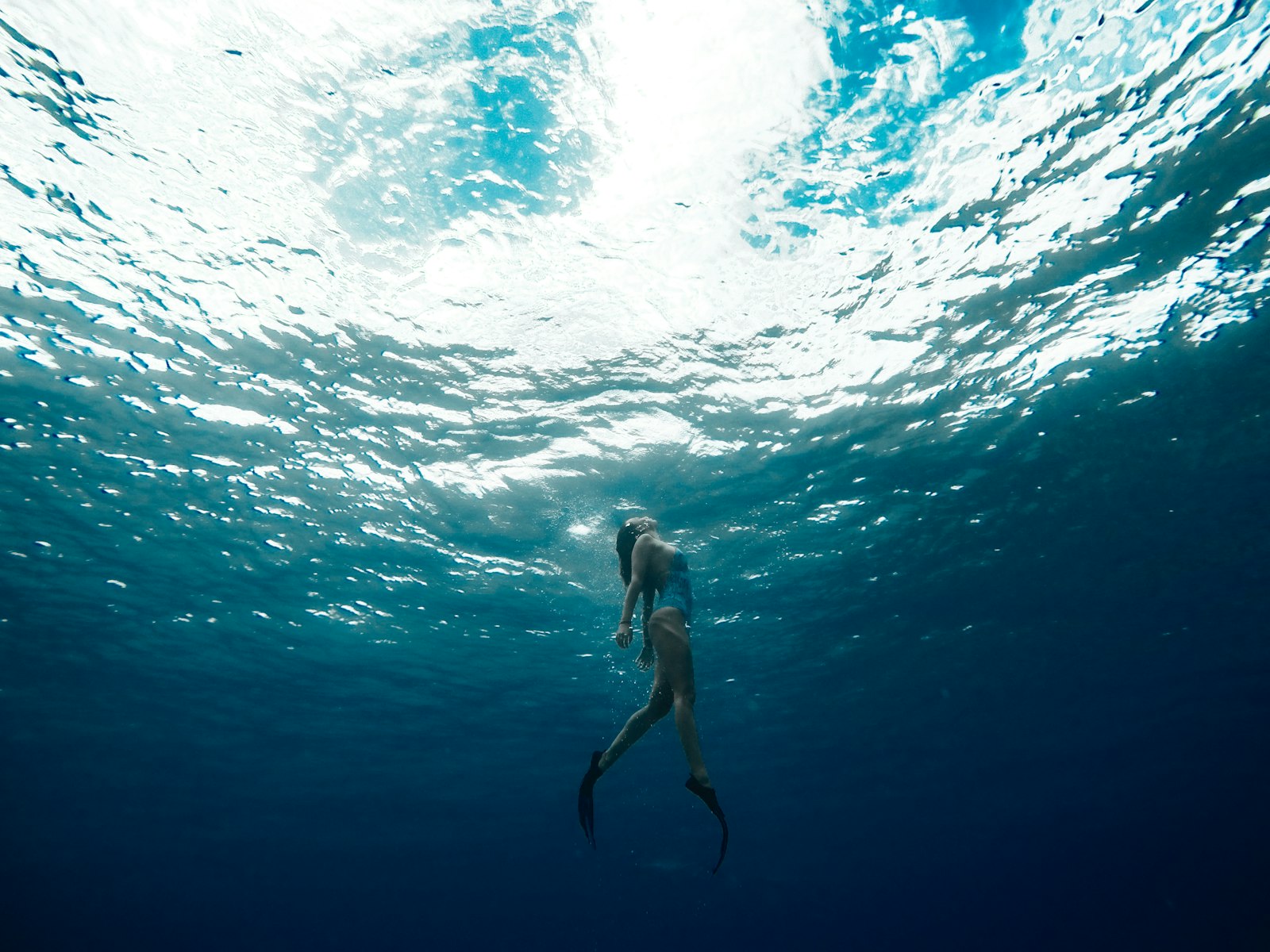
Tauchausrüstung, die ihren Platz verdient
Das Rote Meer ist nachsichtig, bis es das nicht mehr ist. Das Wasser ist warm, aber der Tauchplan ist gnadenlos: Vier Tauchgänge pro Tag über sieben oder acht Tage bedeuten viel Zeit im Wasser. Packen Sie auf Komfort und Zuverlässigkeit, nicht auf das Nötigste.
Neoprenanzug
3 mm von Mai bis Oktober, 5 mm von November bis April, 5 mm plus eine Kapuzenweste, wenn dir schnell kalt wird. Die Tauchgänge zu den Wracks im Norden finden in etwas kühlerem Wasser statt als die zu den Riffen im Süden (die Oberflächentemperaturen können im Februar bei 22 bis 24 °C liegen, im August hingegen bei 26 bis 28 °C), also berücksichtige deine konkreten Wochen. Zwei Tage, an denen dir auf einer 10-tägigen Reise kalt ist, können die ganze Woche ruinieren.
Ein Neoprenanzug, nicht zwei. Das Boot spült und trocknet ihn über Nacht im Bad. Eine Ausnahme ist, wenn du im Februar vier kalte Tauchgänge hintereinander machst; ein zweiter 3-mm-Shorty unter dem 5-mm-Anzug sorgt für mehr Wärme, ohne dass du einen neuen Anzug kaufen musst.
Rashguards und Tauchanzüge
Zwei Sätze Rashguards oder Tauchskins. Einer an, einer zum Trocknen. Die Bootswäscherei ist für Notfälle da, nicht für den täglichen Wechsel. Ein guter langärmeliger Rashguard dient gleichzeitig als Sonnenschutz auf dem Deck und als „Ich habe vergessen, ein Hemd anzuziehen“-Abdeckung beim Abendessen.
Maske, Schnorchel, Flossen
Bring deine eigenen mit. Die vom Boot ausgeliehenen Flossen passen gut; die ausgeliehenen Masken sind bekannt dafür, dass sie undicht sind. Eine Maske ist das persönlichste Teil der Tauchausrüstung und das günstigste, das man besitzen kann. Bring einen wirksamen Beschlagschutz mit (Babyshampoo, handelsüblicher Beschlagschutz, im Notfall sogar Zahnpasta).
Atemregler, Oktopus, Computer
Lass den Atemregler einen Monat vorher warten. Das Rote Meer ist eine nachsichtige Umgebung, bis bei 25 Metern Tiefe an einem Wrack plötzlich ein Leck auftritt. Bring Ersatzmundstücke für die zweite Stufe mit, falls diese bei dir schon einmal gerissen sind. Tauchcomputer benötigen neue Batterien (überprüfe die Anzeige) und die richtige Software für das von dir geplante Tauchprofil. Die meisten Tauchsafaris in Ägypten laden die Computerdaten mittlerweile per Bluetooth auf den Bildschirm für die tägliche Einweisung herunter – das ist genial, funktioniert aber nur, wenn dein Computer mit dem Tablet des Bootes kommuniziert. Teste das zu Hause.
BCD
Optional. Die auf Tauchsafaris im Roten Meer zur Verfügung gestellten Tarierwesten sind meist der aktuellen Generation und passen für eine Vielzahl von Körperformen. Das Argument dafür, eine eigene mitzubringen, ist die Zeit, die man jeden Morgen beim Anlegen spart (man weiß, wo die Ablassventile sind, ist mit den integrierten Gewichten vertraut, der Auftrieb ist genau richtig für die eigene Trimmung). Das Argument dagegen ist das Gepäckgewicht; eine Tarierweste wiegt ein oder zwei Kilo, die man im Flugzeug mitnehmen muss.
SMB und Rolle
Mittlerweile auf den meisten Booten im Roten Meer Pflicht, und das nicht nur zur Show. Die Drifttauchgänge bei den Brothers und Daedalus enden oft damit, dass die Gruppe in mittlerer Wassertiefe aufsteigt und weit in Lee vom Boot auftaucht. Die SMB zeigt dem Zodiac-Fahrer, wo du dich befindest. Wenn du noch keine hast, kauf dir eine und übe vor der Reise in deinem heimischen Pool, sie aus 5 Metern Tiefe auszulassen. Das erste Mal eine SMB aus der Tiefe im Roten Meer auszulassen, ist der schlechteste Zeitpunkt, um festzustellen, dass sich deine Rolle verklemmt.
Riffhaken
Nicht unbedingt erforderlich, aber nützlich bei Daedalus, Elphinstone und am Hinterriff bei Habili Ali. Mit dem Haken kannst du deine Position in der Strömung halten, um ein Haischwarm zu beobachten oder das Vorbeiziehen eines Fuchshais abzuwarten, ohne mit den Flossen zu strampeln. Besorge dir einen mit Edelstahlverschluss und einer mindestens 30 cm langen Leine; die billigen Haken mit Kunststoffverschluss sind zu schwach.
Notfallset
Ersatz-Maskenband, Flossenriemen, Computerakku, O-Ringe, Silikonfett, Kabelbinder, Isolierband, ein kleiner verstellbarer Schraubenschlüssel. Das Boot verfügt über das meiste davon, aber nicht über alles, und die Ersatzteile des Bootes befinden sich in einem verschlossenen Schrank, für den man das richtige Besatzungsmitglied finden muss. Ein kleines Set in deiner Ausrüstungstasche spart dir am dritten Tag fünfzehn Minuten.
Tauchlampe und Ersatzlampe
Erforderlich für die Wrackdurchquerung der Thistlegorm und für jeden Nachttauchgang (die meisten 10-Nächte-Reisen beinhalten mindestens einen). Eine primäre Kanisterlampe ist für das Rote Meer übertrieben; eine starke Handlampe (2.000 bis 4.000 Lumen) plus eine kleine Reserve ist die richtige Ausrüstung.
Die Nitrox-Frage
Die meisten Anbieter am Roten Meer berechnen 100 bis 150 € pro Woche für Nitrox. Zahlt es. Die Riffe sind tief genug und der Tauchplan dicht genug, dass Nitrox eure Grundzeit und eure Woche sinnvoll verlängert und die Ermüdung am dritten Tag spürbar verringert. Wir haben einen ausführlicheren Leitfaden darüber verfasst, wie Nitrox auf Tauchsafaris funktioniert, falls ihr die vollständigen wirtschaftlichen Aspekte kennenlernen möchtet.
Kleidung
Sie werden den größten Teil des Tages nass, im Badeanzug, auf dem Sonnendeck verbringen. Der Bedarf an trockener Kleidung ist wirklich gering. Die meisten Taucher packen doppelt so viel ein, wie sie brauchen.
- 3 bis 4 Badeanzüge im Wechsel. Schnell trocknendes Material; die Regale in den Kabinen sind nicht besonders gut belüftet.
- 2 Paar Boardshorts oder schnell trocknende Hosen für den Aufenthalt auf dem Boot.
- 4 bis 5 T-Shirts, vorzugsweise aus Funktionsmaterial (Wollmischungen eignen sich hervorragend auf einem salzigen Deck).
- 1 Langarmhemd für den Sundowner am Abend. Die Abende am Roten Meer sind warm, aber windig, besonders zwischen November und März.
- 1 leichter Fleece oder Hoodie. Vor allem für Oberflächenpausen im Winter, aber auch für die klimatisierte Kabine, falls dir die Klimaanlage zu stark ist.
- 1 Paar Flip-Flops. Die einzigen Schuhe, die du tragen wirst. Bring welche mit Gummisohle mit; das Deck wird rutschig.
- 1 Paar leichte, geschlossene Schuhe für den Flughafentransit (die Ankunftshalle in Hurghada kann vom Gate bis zur Gepäckausgabe ein langer Fußweg sein).
- Unterwäsche und Socken für die Reisetage, nicht für jeden Tag auf dem Boot. Am ersten Tag ziehen Sie um 8 Uhr morgens Ihre Badesachen an und behalten diese an.
- Ein Outfit für „Abendessen in der Stadt“, falls du vor oder nach dem Boot in einem Hotel übernachtest. Ansonsten lass es weg.

Sonne und Haut
Du befindest dich auf einem Boot in der Wüste. Die Sonne ist unerbittlich und spiegelt sich im Wasser. Die Sonne am Roten Meer zu unterschätzen, ist der häufigste Anfängerfehler. Am vierten Tag wirst du wie eine Tomate aussehen; am sechsten Tag wird sich der Sonnenbrand schälen und das Anziehen des Neoprenanzugs wird wehtun.
- Riffverträgliche Sonnencreme. LSF 50, wasserfest, auf Zinkbasis. Bringen Sie mehr mit, als Sie glauben zu brauchen (mindestens 200 ml für eine 10-tägige Reise). Die meisten Boote verkaufen Sonnencreme mit deutlichem Aufschlag, und die verfügbaren Marken sind nicht immer riffverträglich.
- Ein Hut mit breiter Krempe und Kinnriemen. Der Riemen ist wichtig. Hüte fliegen von den Sonnendecks und das Boot dreht nicht um, um sie zu holen.
- Polarisierte Sonnenbrille plus eine Ersatzbrille. Die Ersatzbrille ist für den Fall gedacht, dass die Hauptbrille bei einer Fahrt mit dem Beiboot über Bord geht. Das wird jemandem in Ihrer Gruppe passieren.
- Ein leichtes, langärmeliges Sonnenhemd. Für die Tage, an denen selbst LSF 50 nicht ausreicht oder wenn Sie sich bereits am zweiten Tag den Nacken verbrannt haben.
- Lippenbalsam mit Lichtschutzfaktor. Salz und Sonne lassen die Lippen schnell aufspringen. Ein normaler Lippenstift reicht aus; eine Variante mit LSF 30 ist besser.
- Aftersun oder Aloe-Gel. Für den Tag, an dem du dich doch einmal in der Sonne verbrannt hast.
- Ein Buff oder ein dünner Halswärmer. Unterschätzt. Dient beim Tauchen (unter der Haube) als Sonnenschutz für den Nacken und nachts auf dem Oberdeck als Windschutz.
Medikamente und Toilettenartikel
In Ägypten gibt es in den großen Städten und den wichtigsten Ferienorten gute Apotheken, aber sobald das Boot ablegt, hast du keinen Zugang mehr dazu. Plane für die Reise plus drei zusätzliche Tage Puffer ein.
- Verschreibungspflichtige Medikamente für die gesamte Reise plus drei zusätzliche Tage, in der Originalverpackung mit intaktem Apothekenetikett. Der Zoll in Hurghada ist im Allgemeinen locker, aber die Originalverpackung ist dein Freund, wenn du verschreibungspflichtige Medikamente mitführst.
- Tabletten gegen Seekrankheit (Cinnarizin oder Scopolamin-Pflaster). Auch wenn Sie diese normalerweise nicht benötigen, nehmen Sie welche für die zweite Nacht mit, wenn der Seegang zunimmt. Cinnarizin macht nicht schläfrig und ist in Ägypten rezeptfrei als Stugeron erhältlich; nehmen Sie trotzdem eine Packung mit.
- Ohrentropfen, alkoholhaltig oder speziell für Taucher entwickelt. Ohrenentzündungen sind der Hauptgrund, warum Menschen Tauchgänge im Roten Meer verpassen. Jeden Tag ein paar Tropfen in jedes Ohr nach dem letzten Tauchgang des Tages. Eine günstige Versicherung.
- Abschwellendes Mittel für den Tag, an dem sich Ihre Nasennebenhöhlen nicht ausgleichen. Sudafed-Äquivalent (Pseudoephedrin) ist in Ordnung; prüfen Sie die aktuellen ägyptischen Zollbestimmungen, wenn Sie mehr als eine Packung mitführen.
- Ibuprofen, Paracetamol, Antihistaminika.
- Pflaster und Desinfektionsmittel. Die meisten Boote verfügen über einen vollständigen Erste-Hilfe-Kasten, aber um 2 Uhr morgens ist es schneller, nach dem eigenen zu greifen.
- Eine kleine Probiotika-Kur, falls du zu Reisemagen neigst. Das Essen auf den besseren Booten am Roten Meer ist wirklich ausgezeichnet, aber die ersten drei Tage jeder Reise bringen den Darm durcheinander.
- Handdesinfektionsmittel. Die Seife auf dem Boot reicht für die Hände aus, aber eine kleine Flasche in Ihrer Tagestasche ist praktisch.
Elektronik und Aufladen
- Handy, Ladegerät, EU-Steckeradapter. Die meisten Boote am Roten Meer haben 220-V-Steckdosen im europäischen Standard (Typ C und F). Gehen Sie nicht einfach davon aus; überprüfen Sie das Datenblatt Ihres Bootes.
- Kindle oder ein Buch. Die Lesezeit während der Oberflächenpausen ist real. Vor allem Solo-Taucher sollten etwas zum Lesen mitbringen; der soziale Rhythmus auf einem Boot am Roten Meer wechselt zwischen geselligen Mahlzeiten und ruhigen Pausen zwischen den Tauchgängen.
- Unterwasserkamera, falls du eine mitbringst. Ersatzakkus, Ersatz-SD-Karten (mit hoher Kapazität und als Backup; die Menge an Filmmaterial von einer 10-tägigen Reise ist kein Spaß) und eine kleine Trockenbox. Lass die Dichtungen des Gehäuses vor der Abreise zu Hause warten, nicht im Tauchshop in Hurghada.
- Eine kleine Powerbank, nützlich zum Aufladen in der Kabine über Nacht, ohne Geräte an den Steckdosen an Deck zu lassen, wo sie Salzwasserspritzer abbekommen.
- Eine Stirnlampe mit Rotlichtmodus. Für die Kabine und für den Weg ins Badezimmer um 3 Uhr morgens, ohne den Mitreisenden zu blenden.
- Ein kleines USB-C/USB-A-Adapterkabel für den Salons des Bootes, wo die Ladestationen manchmal verschiedene Standards haben.
Die drei Dinge, die man immer vergisst
- Bargeld für Trinkgelder, in Euro. Das Trinkgeld für die Crew beträgt in der Regel 100 bis 150 € pro Taucher und Woche und wird wirklich erwartet, es ist nicht optional. Bringen Sie es in sauberen 10- und 20-Euro-Scheinen mit. Geldautomaten am Flughafen Hurghada sind unzuverlässig und die Wechselkurse sind schlecht. Ägyptische Pfund werden akzeptiert, sind für die Crew aber schwieriger zu verwenden; Euro sind der Standard.
- Eine wiederverwendbare Wasserflasche. Die meisten Boote verfügen über Wasserspender und bitten dich aus Umweltgründen (und um die Regale in den Kabinen übersichtlich zu halten), keine Einwegflaschen zu verwenden. Die Flasche dient an kühleren Tauchtagen auch als Wärmflasche; der Koch füllt sie auf Wunsch mit heißem Wasser.
- Die Tauchversicherungskarte. DAN oder gleichwertig. Die meisten Boote verlangen diese mittlerweile beim Check-in und lassen Sie ohne sie nicht auf das Tauchdeck. Ein ausgedrucktes Exemplar ist in Ordnung; ein Screenshot auf dem Handy wird auf den meisten, aber nicht allen Booten akzeptiert.
Was Sie zu Hause lassen können
- Tauchmesser in taktischer Ausführung. Moderne Anbieter am Roten Meer haben diese vollständig aus dem Programm genommen. Ein kleiner Leinenabschneider, der an Ihrem BCD befestigt wird, ist das moderne Äquivalent.
- Haartrockner. Das Boot stellt einen zur Verfügung, wenn du danach fragst. Die Kabinen sind zu feucht, als dass sie zum eigentlichen Trocknen der Haare nützlich wären, aber sie eignen sich gut zum Trocknen eines Kameragehäuses oder eines hartnäckigen Computer-Steckers.
- Drei Garnituren „Abendgarderobe“. Sie werden das Abendessen in Boardshorts einnehmen. Eventuell ein frisches T-Shirt. Das war’s.
- Snacks. Die Kombüse ist gut gefüllt und du wirst alle 90 Minuten verpflegt. Die meisten Boote bieten eine „Zwischen-Tauchgang“-Snackplatte an, die reichhaltig genug ist, um als kleine Mahlzeit zu gelten. Diätriegel sind eine Ausnahme; bring sie mit, wenn du spezielle Ernährungsbedürfnisse hast.
- Ein zweites Paar Flossen. Ein Paar reicht aus. Tauchsafaris sind nicht der richtige Ort, um mitten in der Woche verschiedene Flossensysteme auszuprobieren.
- Ein Trockenanzug. Selbst im Februar ist das Wasser warm genug, dass ein 5-mm-Anzug mit Kapuze angenehm ist; ein Trockenanzug ist übertrieben und verursacht auf einem Boot im Roten Meer mehr Probleme, als er löst (die Umkleideräume sind klein, das Trocknen dauert lange, die Passform ist ungewohnt).
- Hartschalen-Kamerataschen, die größer sind als der Stauraum unter der Koje in der Kabine. Messen Sie Ihre Tasche vor dem Flug an den Maßen 60 × 40 × 25 cm. Ist sie größer, müssen Sie sie am Tauchdeck festgeschnallt verstauen, was im Hafen kein Problem ist, auf See jedoch Stress verursacht.

Drei kleine Upgrades, die ihren Platz verdienen
Ein Mikrofaserhandtuch
Das Boot stellt Handtücher zur Verfügung, aber es sind große Baumwollhandtücher, die nur langsam trocknen und schwer sind. Ein Mikrofaser-Reisehandtuch wiegt nur 200 Gramm und bietet dir ein Handtuch für den persönlichen Gebrauch auf dem Tauchdeck, das in zwanzig Minuten trocknet. Das lohnt sich.
Ein kleiner Hartschalenkoffer von Pelican für Akkus und Elektronik
Salz und Elektronik vertragen sich nicht. Ein kleiner Hartschalenkoffer (ca. 15 × 10 × 5 cm) hält deine Ersatzakkus für die Kamera, GoPro-Halterungen und das Ladekabel für den Computer in der Kabine knochentrocken. Die Schränke in der Kabine sind so feucht, dass alles, was eine Woche lang darin liegt, zu rosten beginnt.
Gute Kopfhörer für die Oberflächenpausen
Bose- oder Sony-Kopfhörer mit Geräuschunterdrückung oder ein gleichwertiges Modell. Auf den Booten ist es laut (Motoren, Kompressoren, der Koch in der Kombüse) und der Fernseher im Salon läuft öfter, als man denkt. Zwanzig Minuten Stille mit eigener Musik zwischen den Tauchgängen sind ein kleiner Luxus, der am fünften Tag unverzichtbar wird.
Der Tag des Fluges: eine kleine Checkliste
- Tauchversicherungskarte ausgedruckt und in der Brieftasche.
- Tauchbuch (digital ist auf den meisten Booten in Ordnung; Papier wird immer noch überall akzeptiert).
- Tauchbrevets (Open Water, Advanced, Nitrox, sonstige).
- Reisepass mit einer Gültigkeit von mindestens sechs Monaten ab dem Ende deiner Reise.
- Das ägyptische E-Visum ausgedruckt oder offline heruntergeladen. Ein Visum bei der Ankunft ist für die meisten Nationalitäten ebenfalls möglich, aber das E-Visum ist schneller.
- Die Adresse und Telefonnummer des Bootes, auf Papier notiert, für den Fall, dass dein Handy bei der Ankunft in Hurghada den Geist aufgibt.
- Leere Wasserflasche in Ihrer Tagesrucksack, bereit zum Befüllen nach der Sicherheitskontrolle.
Häufig gestellte Fragen
Mit welchem Gewichtslimit muss ich auf dem Boot rechnen?
Die Boote schreiben keine Gewichtsbeschränkung für Gepäck vor, Fluggesellschaften hingegen schon. EgyptAir, Lufthansa, KLM und die Billigfluggesellschaften, die Hurghada anfliegen, erlauben alle entweder 23 kg oder 32 kg im aufgegebenen Gepäck (je nach Ticketklasse) und 7 bis 10 kg im Handgepäck. Tauchausrüstung wiegt in der Regel 18 bis 22 kg, daher reicht eine Freigepäckmenge von 23 kg normalerweise aus, wenn du dich daran hältst. Zahle für die höhere Freigepäckmenge, wenn du eine Kameraausrüstung mitbringst.
Brauche ich einen Stromadapter?
Die meisten Boote verwenden die Steckertypen C und F (europäischer Zweipolstecker und Zweipolstecker mit Erdung). Wenn in deinem Land der Typ A (USA), Typ G (Großbritannien) oder Typ I (Australien) verwendet wird, bringe einen Adapter mit. Ein Universaladapter mit USB-C- und USB-A-Durchgang ist die beste Wahl.
Wie ist das Essen?
Bei den etablierten Anbietern am Roten Meer ist das Essen wirklich gut. Drei Mahlzeiten am Tag plus ein reichhaltiger Snack zwischen den Tauchgängen. Frischer Fisch, Hähnchen, vegetarische Optionen bei jeder Mahlzeit, Obst, Salate. Die meisten Boote gehen auf Ernährungsbedürfnisse ein (glutenfrei, vegetarisch, vegan, koscher, halal), wenn Sie dies bei der Buchung angeben, nicht erst bei der Ankunft. Die ehrliche Antwort ist, dass die Bootsköche härter arbeiten als Hotelköche an Land und interessantere Menüs zaubern.
Gibt es Alkohol?
Ja, auf den meisten Booten, aber die Preise sind eher wie in einem Hotel als in einem Supermarkt. Ein Bier kostet in der Regel 4 bis 6 €, ein Glas Wein 6 bis 9 €. Die Crew führt eine Rechnung, die du am Ende der Reise begleichst. Wenn du an einem Abend eine bestimmte Flasche Wein trinken möchtest, bring sie mit; die Boote lagern sie für dich und servieren sie bei den meisten Anbietern ohne Korkgeld.
Kann ich im Oktober tauchen, wenn ich an einer Nasennebenhöhlenentzündung leide?
Die Luft am Roten Meer ist trocken, was im Allgemeinen gut für die Nasennebenhöhlen ist. Das größte Problem für Taucher mit Nasennebenhöhlenbeschwerden ist der Wechsel zwischen der hohen Luftfeuchtigkeit in der Kabine (salzhaltig) und der trockenen Klimaanlagenluft. Wenn du bekanntermaßen an einer Nasennebenhöhlenentzündung leidest, behandle diese vor der Reise eine Woche lang mit einer Kochsalzlösung und kläre mit deinem Taucharzt die Einnahme von abschwellenden Mitteln während der Reise ab. Tauche nicht mit einer aktiven Infektion; du könntest dir das Trommelfell reißen und die Woche verlieren.
Was ist, wenn ich etwas Wichtiges vergesse?
In Hurghada gibt es gute Tauchshops in der Nähe des Yachthafens; in Marsa Alam ist das Angebot begrenzter. Wenn Sie mit einem Zwischenstopp über Kairo fliegen, bietet der Tauchshop am Flughafen Masken, Schnorchel, Flossen und einfache Atemregler zu Flughafenpreisen an. Die meisten Anbieter verleihen oder vermieten fehlende Ausrüstungsteile (Atemregler, Tarierwesten, Tauchcomputer) zu moderaten Tagespreisen. Die beiden Dinge, die du am Steg wirklich nicht ersetzen kannst, sind verschreibungspflichtige Medikamente und deine Tauchversicherungskarte; für alles andere gibt es eine Lösung.
Noch eine letzte Sache: Das Boot ist klein
Tauchsafaris sind von Natur aus intim. Achtzehn bis achtundzwanzig Taucher sowie die Crew teilen sich zehn Nächte lang Gänge, Esstische, Tauchdecks und Gespräche. Packen Sie die Ausrüstung ein, die Sie brauchen; packen Sie auch ein wenig Geduld ein. Die obige Packliste ist darauf ausgerichtet, was die Woche für alle an Bord einfacher macht, nicht nur für Sie. Der Taucher, der mit der richtigen Ausrüstung, in weichem Gepäck, mit seiner eigenen SMB und seiner eigenen positiven Einstellung auftaucht, ist der Taucher, den sich jeder auf der nächsten Reise wünscht.
Stöbern Sie in den aktuellen Abfahrten für Tauchsafaris im Roten Meer in Ägypten, wenn Sie bereit sind zu buchen, und kontaktieren Sie uns über unsere Kontaktseite, wenn Sie eine zweite Meinung zu einer bestimmten Reiseroute wünschen. Wir waren auf den meisten dieser Boote und beraten Sie gerne, welches am besten zu Ihren Reisezielen passt.