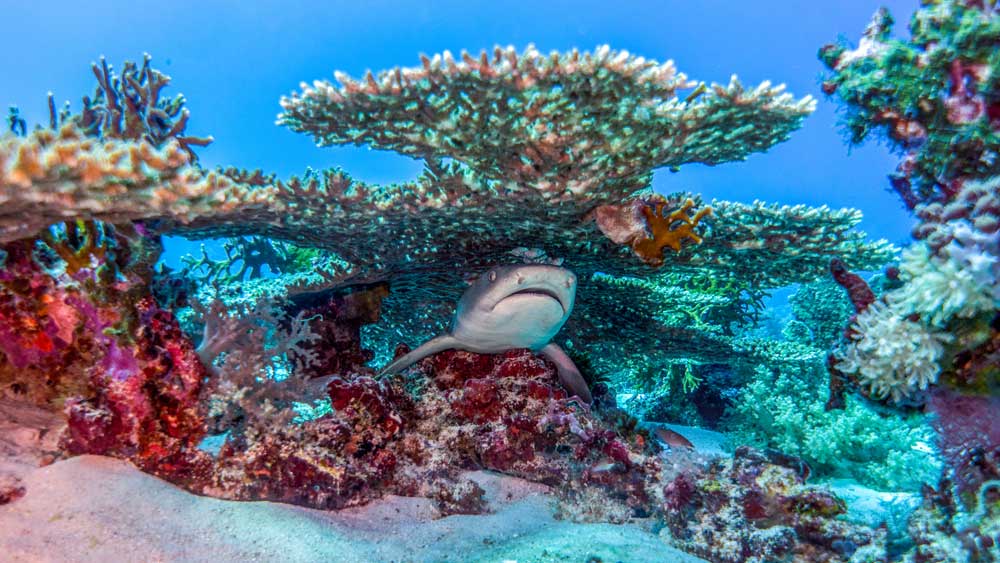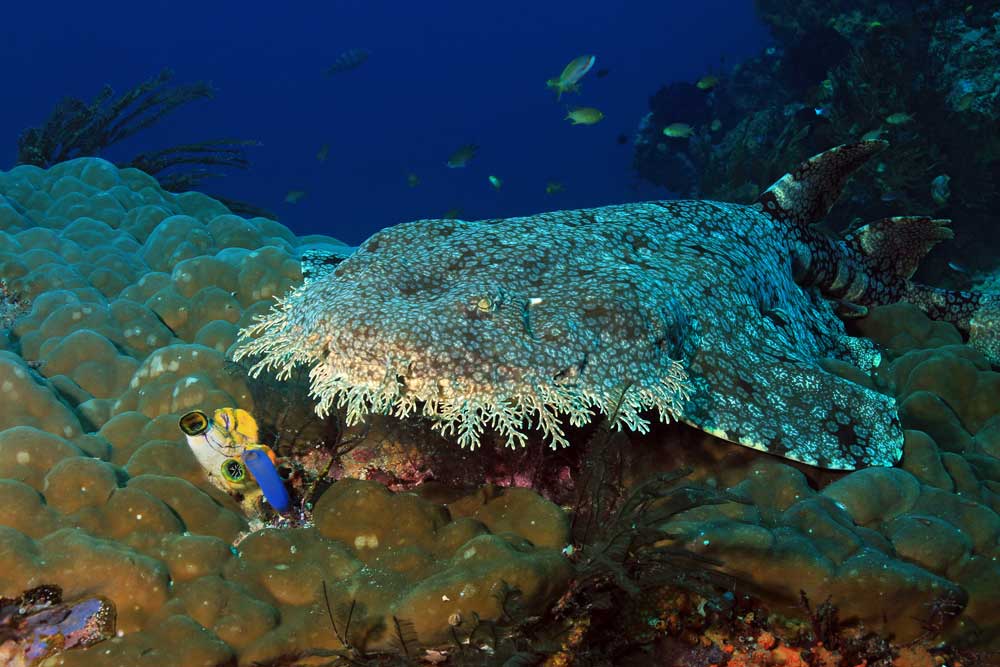
Les Galápagos et l’île Cocos figurent en tête de la liste des destinations « à découvrir un jour » de la plupart des plongeurs expérimentés. Toutes deux sont des îles volcaniques isolées situées dans les courants ascendants riches en nutriments du Pacifique. Toutes deux ne sont accessibles qu’en croisière. Toutes deux sont célèbres pour les mêmes espèces phares : les bancs de requins-marteaux halicornes, les requins soyeux, les requins des Galápagos, ainsi que, de temps à autre, des requins-baleines ou des requins-tigres. Les brochures les présentent comme interchangeables. Elles ne le sont pas.
Si vous envisagez l'un de ces voyages et que vous essayez de décider lequel réserver en premier, voici la comparaison que nous ferions à un ami. C'est la conversation que nous avons plusieurs fois par mois avec des plongeurs qui ont réduit leur prochain grand voyage à ces deux destinations et qui veulent faire le bon choix. La réponse honnête est que le bon choix dépend de votre tolérance à la traversée en pleine mer, de la variété que vous souhaitez pour votre semaine et du fait que vous comptiez faire un seul voyage ou les deux.
La réponse courte
Optez pour Cocos si vous voulez de la plongée avec les requins à l'état pur et que vous êtes prêt à supporter une traversée en pleine mer de 32 à 36 heures, de vraies houles et une variété limitée d'activités à terre en échange de l'une des plus fortes concentrations de requins-marteaux de la planète. Cocos est un pèlerinage dédié à une seule espèce. Les plongées se ressemblent toutes ; la magie vient du nombre impressionnant de rencontres avec les pélagiques.
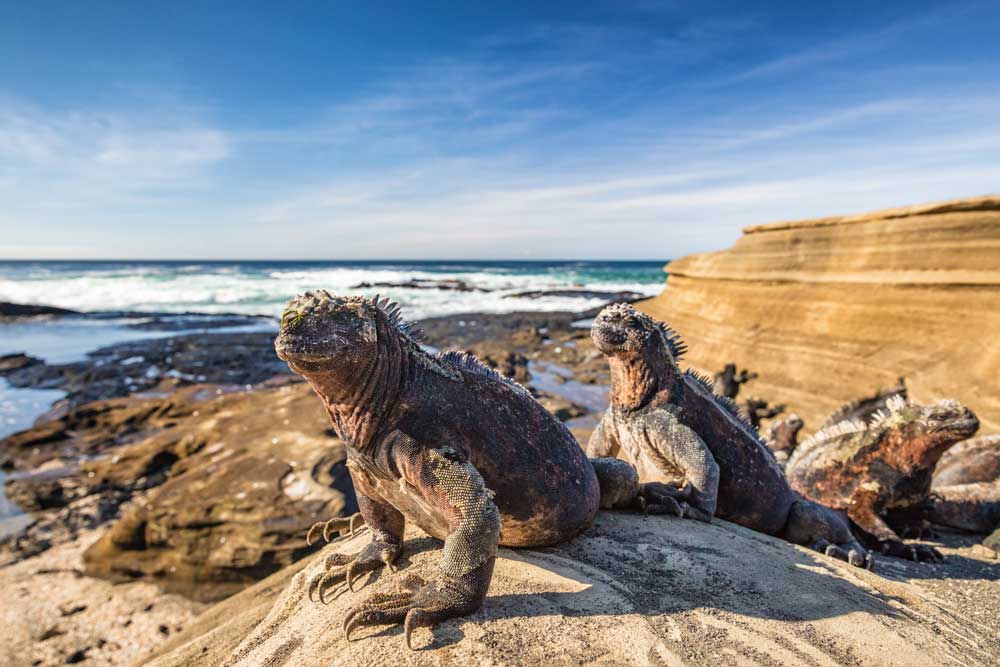
Optez pour les Galápagos si vous voulez de la plongée avec les requins et tout ce que l'archipel a à vous offrir : des otaries qui viennent frôler votre hublot, des mola mola en eau fraîche, des iguanes marins broutant sur le récif peu profond, des manchots des Galápagos sous l'eau, la possibilité de voir des requins-baleines à Darwin et Wolf en saison, ainsi que quelques journées à terre qui valent vraiment le détour. Les Galápagos sont une destination aux multiples facettes. Les plongées sont toutes différentes les unes des autres ; la magie vient de cette diversité.
La réponse plus détaillée se trouve ci-dessous, car le bon choix dépend aussi de la façon dont vous gérez la traversée, de la diversité des activités à terre que vous recherchez, et de la possibilité de prendre trois semaines ou une seule de congé.
Comment s'y rendre
Galápagos : une longue journée de voyage, mais dans de bonnes conditions
Les croisières aux Galápagos partent de Baltra (l'île de l'aéroport) ou de San Cristóbal. Vous prenez un vol depuis votre pays d'origine vers Quito ou Guayaquil, passez la nuit à l'hôtel, puis prenez un vol intérieur de deux heures vers les îles le lendemain matin. La plupart des opérateurs incluent le transfert de l'aéroport au quai et un assistant à l'arrivée qui vous guide lors de l'enregistrement pour le paiement des droits d'entrée au parc. Le bateau est amarré dans un mouillage calme lorsque vous embarquez. Au dîner du premier jour, vous avez généralement déjà effectué une plongée d'acclimatation à Bartolomé ou North Seymour.
Les complications du voyage aux Galápagos se situent au début : les frais d'entrée au parc, la carte de contrôle de transit, les limites strictes de bagages sur le vol intérieur (généralement 23 kg par personne plus 8 kg de bagage à main, appliquées à la lettre). Une fois à bord du bateau, le voyage est terminé.
Cocos : la traversée est la porte d'entrée
Les croisières aux Cocos partent de Puntarenas, sur la côte pacifique du Costa Rica. Vous atterrissez à San José, effectuez un transfert de deux heures par la route jusqu’au quai, embarquez en milieu d’après-midi, puis mettez le cap directement sur le Pacifique pendant 32 à 36 heures. La traversée peut être calme. Elle peut aussi être suffisamment agitée pour que le bar reste fermé la première nuit et que le service des repas se fasse assiette par assiette dans les cabines. Il n'y a pas de plongée pendant la traversée. Vous perdrez deux jours complets de votre voyage à cause de la traversée, un à l'aller et un au retour.
Ce simple fait détermine tout le reste concernant Cocos. Les itinéraires durent généralement de 10 à 12 nuits pour que la traversée en vaille la peine. Tout séjour plus court ne vous offre pas suffisamment de jours de plongée pour amortir le temps de transit. Tout séjour beaucoup plus long fait grimper le coût du voyage à des niveaux peu abordables. Le voyage de 10 nuits à Cocos est le compromis idéal pour la plupart des plongeurs.
Conseils pratiques pour le voyage
Pour ces deux destinations, prévoyez une journée de marge au début. Les bagages perdus, les correspondances manquées et les retards dus à la météo sont suffisamment fréquents pour que « prendre l'avion le jour même du départ du bateau » soit un pari que vous finirez par perdre. Nous avons vu des plongeurs rater la traversée vers les Cocos à cause d'un retard de quatre heures au départ de Houston ; le bateau n'attend pas, et le prochain départ n'est qu'une semaine plus tard.
Pour les Galápagos en particulier, arrivez sur le continent équatorien un jour ou deux à l’avance si vous le pouvez. Quito se trouve à 2 850 mètres d’altitude ; si vous arrivez en avion depuis le niveau de la mer, même une seule nuit d’acclimatation aidera votre corps à mieux supporter le vol du lendemain, qui vous fera passer de l’altitude au niveau de la mer. Guayaquil est au niveau de la mer et constitue une plaque tournante de transit plus facile, mais la cuisine et la vieille ville coloniale de Quito valent sans doute la peine de supporter ce léger désagrément lié à l’altitude.
La plongée
Les deux destinations proposent des plongées profondes, techniques et avec des courants. Les deux exigent une certification solide (la plupart des opérateurs requièrent le niveau Advanced Open Water ainsi qu'un minimum de 50 à 100 plongées enregistrées, le nitrox étant fortement recommandé) et les deux vous refuseront l'accès à un site de plongée spécifique si votre équipement, votre condition physique ou vos compétences ne sont pas à la hauteur. Les deux sont totalement inadaptées à toute personne ayant moins de 50 plongées à son actif, quelle que soit sa carte de certification.
Galápagos : deux zones de plongée distinctes
L'archipel des Galápagos se divise en deux zones de plongée principales. Les îles centrales (Cousins Rock, Gordon Rocks, Bartolomé, les monts sous-marins au large de Santa Cruz) offrent des plongées mixtes sur récif avec des otaries, des bancs de poissons et la possibilité d'apercevoir des mola mola pendant les mois plus frais. Les conditions en surface sont généralement protégées ; le courant est modéré ; la plongée est captivante mais accessible. Ce sont ces plongées qui récoltent la plupart des mentions « fun » dans les carnets de voyage.
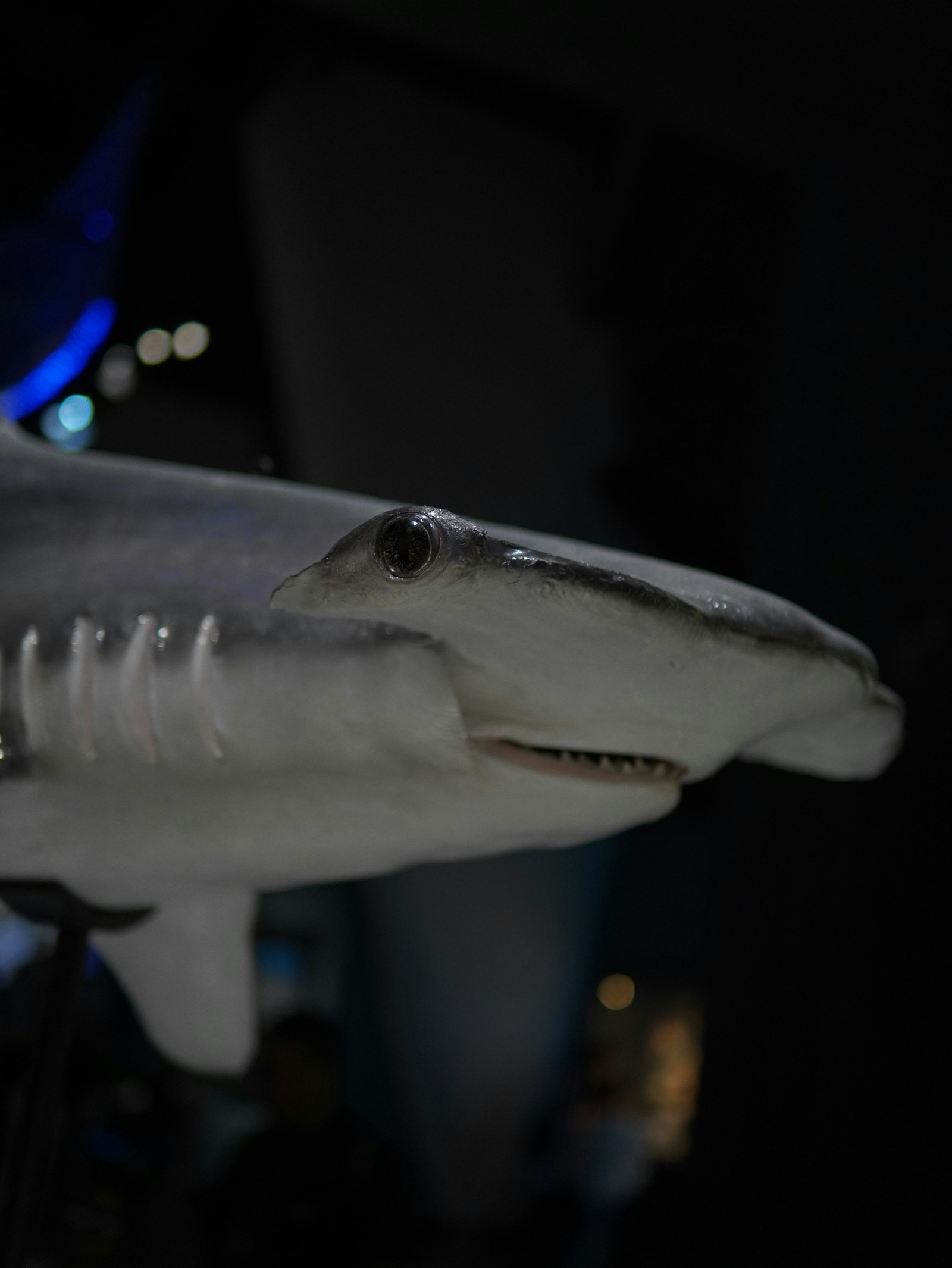
Les avant-postes nordiques, Darwin et Wolf, sont les lieux où le bateau jette l'ancre pendant deux ou trois jours et où l'on effectue quatre plongées par jour sur les deux mêmes monts sous-marins. C'est le cœur pélagique d'un voyage aux Galápagos. Des bancs de requins-marteaux halicornes à Darwin Arch en milieu de profondeur, des regroupements de requins soyeux près de la surface, des passages de requins des Galápagos en profondeur, et de juillet à novembre, la possibilité de croiser des requins-baleines résidents sur le site. L'eau à Darwin et Wolf est froide (18 à 22 °C en saison, parfois plus froide les années El Niño), le courant est fort, et les plongées se font généralement en descente verticale jusqu'à 25 à 30 mètres pour s'accrocher au rocher.
Vous ferez la rotation Darwin et Wolf pendant deux ou trois jours, puis vous remonterez vers le sud, avant de plonger à nouveau dans les îles centrales pendant un jour ou deux. Le rythme est important. Lorsque vous arrivez à Darwin, vous êtes déjà échauffé ; lorsque vous partez, vous avez mérité les plongées plus faciles qui suivent.
Cocos : les mêmes monts sous-marins, encore et encore
Dirty Rock, Manuelita, Alcyone. Trois ou quatre sites de plongée principaux que vous alternez, à raison de trois à quatre plongées par jour, pendant sept ou huit jours. Souvent, ce sont les deux mêmes monts sous-marins. Les mêmes stations de nettoyage des requins-marteaux. Le même tourbillon soyeux à la surface pendant votre palier de sécurité. C'est justement cette répétition qui fait tout l'intérêt. La présence des requins-marteaux n’est pas garantie lors d’une seule plongée, mais sur les 25 plongées de la semaine, vous en verrez en si grand nombre que les Galápagos vous sembleront bien calmes en comparaison.
Cocos présente plus de houle que les Galápagos, une topographie moins variée et pratiquement aucun récif peu profond. C'est une destination pour les plongeurs qui souhaitent revivre sans cesse la même interaction avec les grands animaux, affinée et amplifiée tout au long de la semaine. Les plongées de nuit à Manuelita, avec les groupes de requins à pointe blanche en chasse, comptent parmi les meilleures plongées de nuit au monde ; vous les faites trois ou quatre fois au cours du voyage et elles ne vous lassent jamais.
Conditions et difficulté
Si l'on devait classer les deux en fonction de la difficulté brute, Cocos est plus difficile. Le ressac à Alcyone, en particulier, peut être éprouvant ; la plongée se fait à 25 mètres sur un mont sous-marin situé à 200 mètres de profondeur, et la houle déplace toute la colonne d'eau lorsqu'elle s'intensifie. Aux Galápagos, à Darwin, le courant est fort mais le ressac est moindre ; la technique consiste à « descendre, s'ancrer, observer, remonter », et cela est reproductible. Cocos exige davantage de discernement à chaque plongée de votre part et de celle du divemaster.
La visibilité sur les deux sites est généralement de 15 à 25 mètres en saison, avec des baisses occasionnelles à 8-12 mètres lorsque la remontée d'eau froide riche en plancton se produit. C'est le plancton qui attire les requins ; en contrepartie, la photographie est plus difficile qu'au sein de destinations aux eaux plus claires.
Les animaux
Les deux voyages offrent une plongée avec les requins à des densités de classe mondiale. La composition des espèces diffère de manière significative.
| Espèces | Galápagos | Cocos |
|---|---|---|
| Requins-marteaux halés | Excellent (Darwin et Wolf, juil.–nov.) | Exceptionnelle (toute l'année, pic de juin à septembre) |
| Requins-baleines | Présence garantie de juillet à novembre à Darwin | Occasionnels, pas de saison de pointe |
| Requins des Galápagos | Courants | Courants |
| Requins soyeux | Rassemblements en surface | Tourbillon de surface presque tous les jours |
| Requins-tigres | Occasionnels | Présence certaine sur certains monts sous-marins |
| Mola mola | Août-novembre dans les eaux plus fraîches | Rares |
| Raies marbrées | Courantes | Courantes |
| Requins à pointe blanche | De jour comme de nuit | Plongées nocturnes exceptionnelles à Manuelita |
| Otaries | Excellentes rencontres quotidiennes | Aucun |
| Iguanes marins | Excellentes (dans l'eau sur certains sites) | Aucun |
| Pingouins des Galápagos | Rencontres occasionnelles sous l'eau | Aucune |
Les principales différences en quelques mots
Les Galápagos offrent plus de variété : un même voyage vous permet de voir des requins-marteaux, des otaries, des mola mola et des iguanes marins. Cocos compte plus de requins : un même voyage vous permet de voir des requins-marteaux, encore des requins-marteaux et toujours des requins-marteaux, et, si la chance vous sourit, aussi des requins-tigres.
Si vous tenez un carnet de plongée classé par espèce, les Galápagos le rempliront dans plus de catégories. Si vous tenez un carnet de plongée classé par « rencontres avec mes espèces cibles », Cocos le remplira plus vite.
Coût, approximatif
Les deux voyages se situent dans la même fourchette de prix. De 5 500 à 8 500 dollars par personne pour la croisière elle-même, hors vols, frais de parc et pourboires. La variation tient principalement au type de cabine. Sur le même bateau, une cabine double sur le pont inférieur coûtera 5 500 dollars, contre 8 500 dollars pour une cabine sur le pont supérieur.
Les Galápagos ont des frais obligatoires de parc et de transit plus élevés (prévoyez 300 à 450 $ supplémentaires par personne, à payer en espèces à l'arrivée ou prépayés via votre voyagiste). Les îles Cocos exigent une cagnotte de pourboires plus élevée (généralement 10 % du coût du voyage) car l'équipage passe plus de temps en mer et vous apprendrez à bien les connaître au cours de ces 12 nuits. Les dépenses quotidiennes à bord (boissons, bracelets d'accès au parc marin, articles de la boutique de souvenirs) sont similaires.
Ajoutez les vols internationaux et vous arrivez à un total de 7 000 à 10 000 dollars pour l'une ou l'autre de ces destinations au départ d'un point de départ typique en Europe ou aux États-Unis. Le coût caché, c'est le temps passé loin du travail ; pour profiter pleinement de ces deux voyages, il faut compter deux semaines de congés, voire trois si vous prévoyez des excursions parallèles.
Où faire des économies
Les deux destinations ont des périodes intermédiaires où les prix baissent. La période intermédiaire aux Galápagos s'étend de mars à mai (fin de la saison fraîche et début de la saison chaude). Celle de Cocos s'étend de fin octobre à novembre et pendant la première quinzaine de janvier. La composition des espèces change légèrement pendant ces semaines intermédiaires, mais les espèces phares sont toujours présentes. Utilisez notre moteur de recherche de voyages pour filtrer par période et repérez les badges de réduction.
En bref
Galápagos : l'archipel représente la moitié du voyage
C'est la partie que la plupart des comparaisons du type « lequel est le meilleur » omettent. Les itinéraires aux Galápagos comprennent généralement deux ou trois courtes excursions terrestres : une colonie d'otaries, une réserve de tortues géantes, la station de recherche Darwin sur l'île de Santa Cruz. La plupart des opérateurs programment ces visites les jours de transit, lorsque vous vous déplacez d'une zone de plongée à l'autre. Les rencontres sont authentiques, pas mises en scène. Vous ferez du snorkeling avec des otaries dans les eaux peu profondes d'une plage où ces mêmes otaries dorment sur le sable la nuit. Vous observerez des iguanes marins descendre nager pour brouter le récif depuis votre tuba, un spectacle dont même les non-plongeurs de votre groupe se souviendront.
Pour les plongeurs voyageant avec un partenaire non plongeur, c'est important. Les Galápagos offrent une expérience « adaptée aux non-plongeurs » cohérente, ce qui manque totalement à Cocos.
Cocos : une île déserte et une mer immense
Cocos est un parc national inhabité. Il y a un poste de garde forestier et pas grand-chose d’autre. Lors de la plupart des voyages, vous ne débarquerez pas, si ce n’est pour une brève séance photo à bord du bateau. L’expérience à terre se résume au bateau et à la mer. Pour les plongeurs qui souhaitent passer une semaine à ne penser qu’aux requins, cela convient parfaitement. Pour les voyageurs à la recherche d’une destination offrant autre chose que la plongée, Cocos est difficile à vendre.
À qui s'adresse chaque voyage
Les Galápagos conviennent aux
- Les plongeurs pélagiques débutants qui souhaitent vivre une expérience inoubliable avec les requins-marteaux sans avoir à effectuer une traversée de 36 heures.
- Les photographes qui souhaitent diversifier leur portfolio : pélagique, récifal, comportemental, terrestre.
- Les plongeurs voyageant avec un partenaire non plongeur qui appréciera les journées à terre.
- À tous ceux qui préfèrent un voyage garantissant la présence de quatre espèces plutôt qu'un voyage offrant une seule espèce en densité extraordinaire.
- Les plongeurs disposant d'un nombre limité de jours de congé et pouvant s'engager pour un voyage de 7 ou 8 nuits, plus quelques jours de marge.
Cocos est idéal pour
- Les plongeurs expérimentés qui ont déjà visité les Galápagos ou Socorro et souhaitent passer à la vitesse supérieure avec une semaine de plongée pélagique.
- Les plongeurs qui apprécient sincèrement de plonger plusieurs fois sur le même site avec de subtiles variations.
- Ceux qui veulent un voyage dédié aux requins-marteaux et sont prêts à tout optimiser autour de cet objectif unique.
- Les plongeurs à l'aise avec les longs trajets en pleine mer, les courants de fond et une expérience à terre moins variée.
- Toute personne disposant des congés et du budget nécessaires pour un voyage de 12 nuits, plus une marge de manœuvre pour les déplacements.
Si vous comptez faire les deux
Commencez par les Galápagos. C'est une initiation en douceur aux entrées en apnée, à la plongée en courant, aux sites de requins en eau froide et au type de plongées où l'on s'accroche à un rocher pour observer les requins pendant 25 minutes. Au moment de réserver Cocos, vous saurez si vous appréciez réellement ce style de plongée, et à 8 000 $ le voyage, c'est une information utile à connaître à l'avance.
Un intervalle de trois ans entre les voyages est un rythme confortable. Cela vous laisse le temps d'enregistrer les plongées nécessaires pour maintenir votre certification à jour, d'économiser l'argent et de décider si le deuxième voyage doit être à Cocos ou vers une autre destination pélagique (Socorro, par exemple, qui a plus en commun avec les Galápagos qu'avec Cocos en termes de structure des plongées).
Une tendance que l'on observe souvent : les plongeurs réservent les Galápagos comme un voyage « à faire au moins une fois dans sa vie » et Cocos comme un voyage « maintenant que je sais que j'adore ça ». Ceux qui essaient de faire l'inverse se rendent parfois compte que 12 nuits en mer à la recherche de requins-marteaux n'étaient pas tout à fait ce qu'ils avaient en tête. Commencez par le voyage le plus facile.
Qu'en est-il de Malpelo et Socorro ?
Puisque nous comparons des destinations pélagiques du Pacifique, deux autres méritent d’être mentionnées.
Malpelo (Colombie) est le troisième sommet du triangle des requins-marteaux du Pacifique oriental. La plongée y est similaire à celle de Cocos en termes de style et d’espèces, et la traversée est d’une durée comparable (30 à 36 heures depuis Buenaventura). La période est plus restreinte (principalement de juin à septembre) et le choix d'opérateurs est plus limité. Si vous avez déjà plongé à Cocos et que vous avez envie de retrouver le même type de plongée dans un endroit moins fréquenté, Malpelo est la solution.
Socorro (Mexique) se situe dans une catégorie à part. La traversée est comparable (24 heures depuis Cabo San Lucas), mais la diversité des espèces est différente : des raies manta géantes du Pacifique à la place des bancs de requins-marteaux, des rencontres avec des dauphins, et parfois des requins-baleines. Socorro se rapproche davantage des Galápagos en termes de variété de plongées et de Cocos en termes de culture des opérateurs. Si vous souhaitez découvrir les quatre destinations (Galápagos, Cocos, Malpelo, Socorro), l'ordre naturel est Galápagos, Socorro, Cocos, Malpelo, répartis sur quatre à six ans.
Foire aux questions
Combien de plongées vais-je réellement faire ?
Pour un voyage de 7 nuits aux Galápagos, prévoyez entre 18 et 22 plongées. Pour un voyage de 10 nuits à Cocos, prévoyez entre 24 et 28 plongées. Le nombre de plongées par jour est similaire ; Cocos offre toutefois plus de jours de plongée effectifs une fois le temps de traversée déduit.
De quelles certifications ai-je besoin ?
Open Water + Advanced + Nitrox est le minimum requis pour les deux. La plupart des opérateurs exigent le brevet Advanced Open Water avec au moins 50 plongées enregistrées. Certains opérateurs aux îles Cocos exigent plus de 100 plongées enregistrées. Apportez vos cartes de certification (le format numérique est accepté par la plupart des opérateurs, le format papier fonctionne toujours partout). Si vous effectuez la rotation Darwin et Wolf, le bateau vous demandera de présenter vos six derniers mois de journal de plongée.
Vais-je avoir le mal de mer ?
Galápagos : généralement non. Le bateau se déplace de nuit entre les zones et reste à l'ancre pendant la journée. La traversée plus longue vers Darwin et Wolf se fait de nuit et peut être modérément agitée, mais rarement très difficile. Cocos : les traversées constituent le principal risque. Préparez-vous en appliquant un patch de scopolamine ou en prenant de la cinnarizine la veille au soir. Les traversées aller et retour peuvent être suffisamment agitées pour que le bar ferme ; apportez les médicaments auxquels vous faites confiance.
Puis-je faire ces voyages en solo ?
Oui. Les deux destinations disposent de bateaux qui accueillent un nombre important de voyageurs en solo. Le supplément single est généralement compris entre 50 et 75 % du tarif de la cabine aux Galápagos et entre 30 et 50 % aux Cocos. Le rythme de vie à bord des deux bateaux convient bien aux voyageurs en solo ; vous connaîtrez tout le monde à bord dès le troisième jour.
Y a-t-il des risques liés à El Niño ?
Oui. Les deux destinations sont affectées par les phénomènes ENSO. Les années El Niño (eau plus chaude, remontée d'eau plus faible) poussent les espèces pélagiques vers les profondeurs et réduisent la densité des regroupements de requins-marteaux. Les années La Niña (eau plus froide, remontée d'eau plus forte) intensifient ces mêmes phénomènes. Vérifiez les prévisions ENSO au moment de la réservation ; les principaux opérateurs publient des rapports de voyage récents qui vous donneront une idée des conditions actuelles.
Qu'en est-il de la photographie sous-marine ?
Les deux destinations sont un paradis pour les photographes, mais elles sont difficiles. Eau froide, plongées profondes, courants, houle, faible luminosité ambiante. Le grand angle est le style dominant ; apportez un objectif fish-eye si vous en avez un. Il existe des opportunités de macro (en particulier lors des plongées de nuit à Cocos et dans les îles centrales des Galápagos), mais elles sont secondaires. Un conseil sérieux pour les deux : réglez votre caisson étanche chez vous au moins trois mois avant le voyage. Les plongées ne sont pas le moment d'apprendre à utiliser votre équipement.
La recommandation
Si vous envisagez l'une de ces destinations, optez pour les Galápagos. C'est un voyage plus flexible, une première approche plus facile de ce style de plongée, et la diversité des sites en fait une expérience unique à raconter. L'archipel des Galápagos est classé au patrimoine mondial de l'UNESCO pour des raisons qui n'ont rien à voir avec la plongée ; ce voyage restera dans votre mémoire comme une « expérience vécue » au-delà du simple carnet de plongée.
Si vous envisagez les deux, partez d'abord aux Galápagos et rendez-vous aux îles Cocos deux ou trois ans plus tard, une fois que vous aurez déterminé si ce style de plongée vous convient. Le voyage aux îles Cocos vous procurera des sensations différentes si vous arrivez en appréciant déjà le rythme des entrées en apnée, des plongées en crochet et des passages de requins en profondeur.
Parcourez les croisières actuelles aux Galápagos et à l'île Cocos, ou utilisez notre moteur de recherche de voyages pour filtrer par période de dates sur les deux destinations. Si vous souhaitez des conseils sur l'opérateur qui propose le style de plongée décrit ci-dessus, contactez-nous. Nous avons voyagé sur la plupart de ces bateaux et pouvons vous orienter vers ceux dont les capitaines vous offriront exactement le voyage que vous souhaitez réserver.