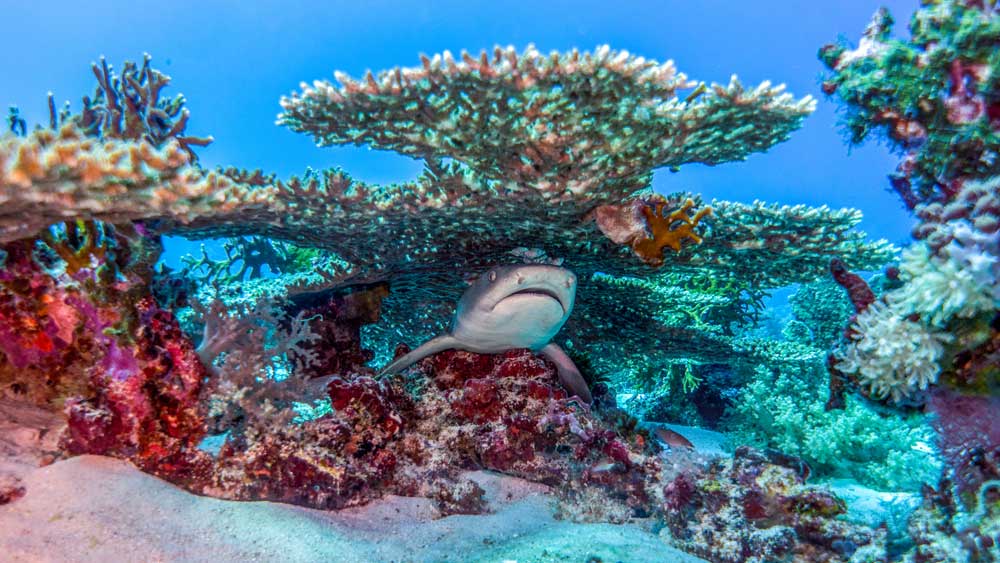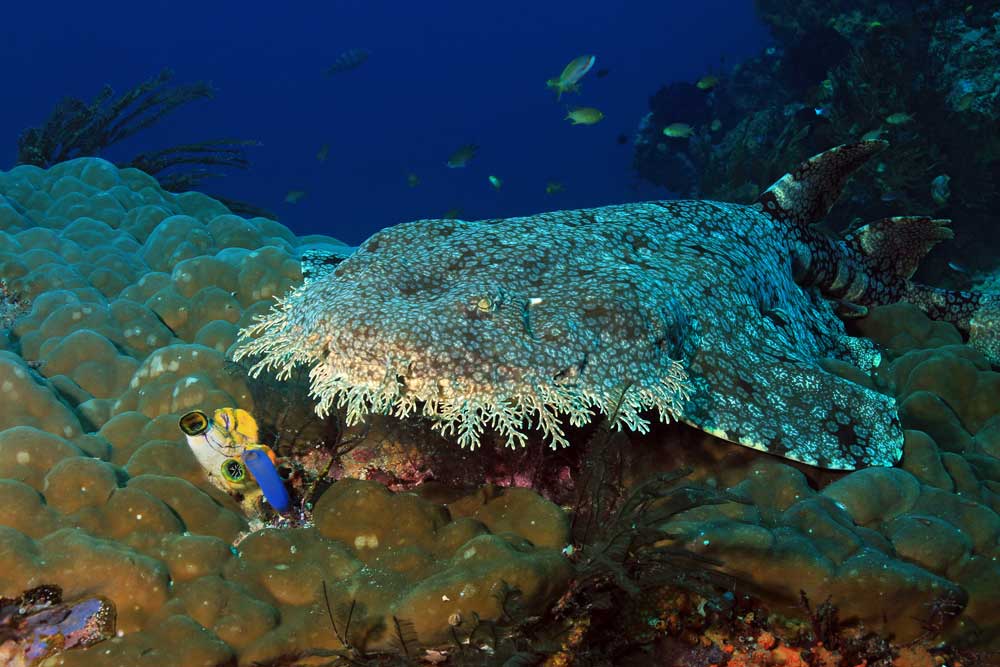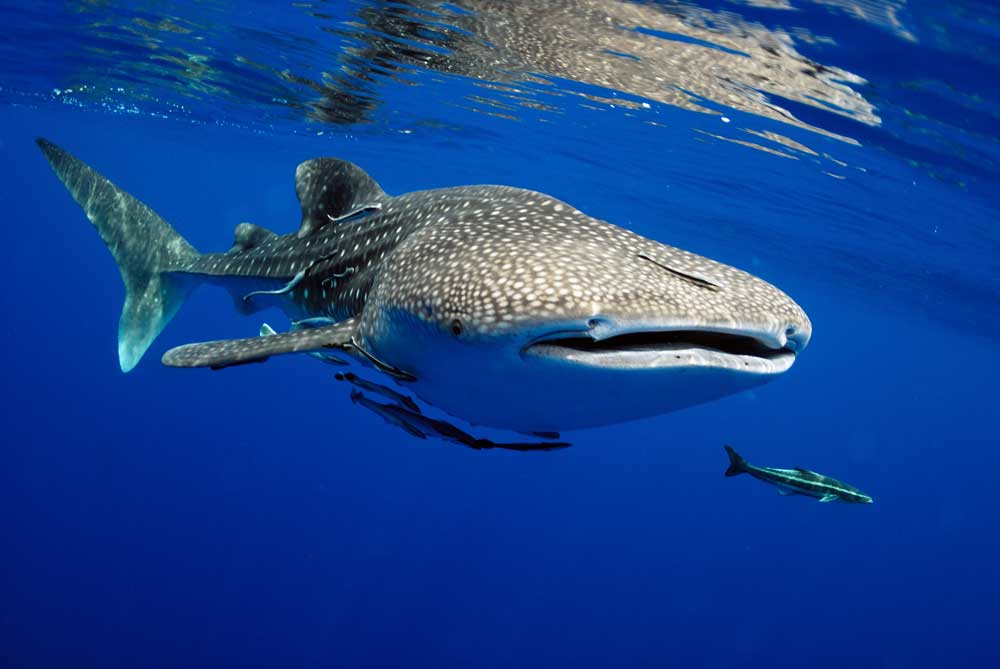
Die Malediven sind eines der wenigen Tauchziele, bei denen die Frage nach dem „besten Reisezeitpunkt“ je nach Reiseroute tatsächlich unterschiedliche Antworten zulässt. Das Land erstreckt sich von Norden nach Süden über fast 900 Kilometer. Die Monsune wechseln zweimal im Jahr. Die Strömungen, die die großen Tiere heranführen, verlaufen je nach Jahreszeit auf der gegenüberliegenden Seite des Atolls. Wenn Sie den richtigen Zeitpunkt erwischen, verbringen Sie eine Woche vor Grauen Riffhaien, Mantas an den Putzstationen und gelegentlich einem Walhai, der durch einen Kanal gleitet. Wenn Sie den falschen Zeitpunkt erwischen, verbringen Sie eine Woche damit, zwischen den Tauchgängen nach Beschäftigungen an Tauchplätzen zu suchen, an denen die Bedingungen schon seit zwei Monaten nicht mehr optimal sind.
Dies ist ein Atoll-für-Atoll-Kalender für alle, die eine Tauchsafari auf den Malediven planen. Er ersetzt zwar keinen guten Kreuzfahrtleiter mit zwanzig Jahren Erfahrung auf dem Wasser, sollte Ihnen aber helfen, eine Reiseroute kritisch zu prüfen, bevor Sie Geld dafür ausgeben. Und er hilft Ihnen zu verstehen, warum zwei Boote mit ähnlichen Terminen radikal unterschiedliche Preise und Erwartungen hinsichtlich der Tierarten haben können.
Die beiden Jahreszeiten in einem Absatz
Auf den Malediven gibt es zwei Monsune. Der Nordostmonsun (Iruvai) dauert etwa von Dezember bis April: trockeneres, ruhigeres, klareres Wasser und Strömungen, die von West nach Ost durch die Atollkanäle fließen. Der Südwestmonsun (Hulhangu) dauert von Mai bis November: mehr Regen, mehr Wellengang, etwas grüneres Wasser und Strömungen, die von Ost nach West fließen. Das planktonreiche „grüne“ Wasser des Südwestmonsuns lockt Mantas und Walhaie in die Nähe, weshalb einige der besten Tauchgänge mit Großtieren in der Zeit stattfinden, die in den Marketingunterlagen als „Nebensaison“ bezeichnet wird.
Glauben Sie nicht an die Bezeichnung „Nebensaison“. Der Südwestmonsun bietet einige der artenreichsten Tauchgänge im maledivischen Kalender. Das Wetter ist etwas weniger fotogen, das Resort-Marketing ist ruhiger, aber das Tauchen ist oft besser. Der Trick besteht darin, die Reiseroute an die Saison anzupassen, statt die Saison gänzlich zu meiden.
Wie die Monsune jeden Tauchgang prägen
Bevor wir uns den einzelnen Atollen zuwenden, gibt es drei Konzepte, die es zu verstehen gilt, da sie den Rest dieses Artikels verständlich machen.
Innen- versus Außenkanäle
Ein maledivisches Atoll ist ein Ring aus Riffen, der eine Lagune umschließt. Das Wasser innerhalb der Lagune ist flach, ruhig und (zur richtigen Jahreszeit) klar. Das Wasser außerhalb ist der offene Indische Ozean. Die Kanäle durch das Riff sind die einzigen Verbindungen zwischen den beiden, und die Strömungen durch diese Kanäle wechseln mit dem Monsun die Richtung. Im Nordostmonsun drücken die Strömungen das Wasser durch die östlichen Kanäle aus der Lagune hinaus und durch die westlichen hinein. Im Südwestmonsun kehrt sich das um.
Die Planktonblüten lassen sich von den Strömungen treiben. Je nachdem, welche Seite in einer bestimmten Jahreszeit die „Zuströmungsseite“ ist, sammelt sich dort das Plankton an, und genau dort ernähren sich die pelagischen Fische. Manta-Putzstationen, Hammerhai-Ansammlungen, Schwärme von Grauen Riffhaien, die großen Fische: Sie alle folgen dem Plankton.
Kanaltauchen versus Thila-Tauchen
Zwei Tauchstile dominieren die Reiserouten auf den Malediven. Kanaltauchgänge finden in den Durchbrüchen zwischen den Atollen statt, in der Strömung, in 20 bis 30 Metern Tiefe an der Wand oder am Riffpinnacle. Man hakt sich ein oder driftet; man sieht Haie, Schwärme, manchmal Mantas. Thila-Tauchgänge finden an isolierten Riffpinnacles innerhalb oder in der Nähe einer Lagune statt, meist in 12 bis 24 Metern Tiefe, ruhiger, mit mehr Makro- und Riffvielfalt. Eine gute Maledivenreise kombiniert beides. Eine Reise mit sieben Channel-Tauchgängen in sieben Tagen ist für einen weniger erfahrenen Taucher anstrengend. Eine Reise mit nur einem Channel-Tauchgang ist für einen passionierten Haifans eine Enttäuschung.
Bedingungen an der Oberfläche versus Bedingungen unter Wasser
Die Malediven im Mai können vom Deck aus problematisch aussehen: grauer Himmel, vereinzelte Gewitter, ein Meter Wellengang. Unter Wasser ist es oft spiegelglatt in 5 Metern Tiefe und die Sicht ist gut. Das Gegenteil trifft ebenfalls zu. Ein bildschöner Februarnachmittag im Resort kann einen 40-minütigen Kanal-Tauchgang mit schlechter Sicht und enttäuschender Fischanzahl verbergen. Buchen Sie nicht nach Wettervorhersagen, sondern nach Tauchberichten.
Nord-Malé, Rasdhoo und das Ari-Atoll, Dezember bis April
Die klassischen Routen durch die zentralen Malediven (die meisten 7-Nächte-Charter starten in Malé) konzentrieren sich stark auf Nord-Malé, Rasdhoo und das Ari-Atoll. Hier ist die Fischsicht während des Nordostmonsuns am besten. Banana Reef, Maaya Thila, das berühmte Fish Head: Alle zeigen ihre schönsten Farben, wenn das Wasser klar und die Strömungen vorhersehbar sind.
Hammerhaie bei Rasdhoo Madivaru tauchen typischerweise von Dezember bis April bei Tagesanbruch auf. Der Tauchgang beginnt mit einem tiefen Negativ-Einstieg an der Ecke des Kanals, wobei man in blauem Wasser auf 25 Meter abtaucht und darauf achtet, wie Schwärme aus dem Dunst herabfallen. Es handelt sich um Bogenstirn-Hammerhaie, meist in Gruppen von 30 bis 80 Tieren, und die Begegnungen finden am Rande der Sporttauchtiefe statt. Planen Sie Nitrox und einen Weckruf um 6 Uhr morgens ein.
Walhaie entlang des südwestlichen Riffs von South Ari sind das ganze Jahr über zu sehen, erreichen ihren Höhepunkt jedoch von Dezember bis Anfang Mai. Das Meeresschutzgebiet South Ari ist im Wesentlichen eine bewirtschaftete Walhai-Zone; die Begegnungen finden meist mit fressenden Erwachsenen an der Oberfläche statt. Die meisten Anbieter bieten eher Schnorchel- als Tauchausflüge an, da die Haie in flachen Gewässern bleiben.
Wenn Sie nur eine Reise auf die Malediven planen und das „Beste vom Besten“ erleben möchten, buchen Sie sie für Februar oder März. Das Wetter ist stabil, die Strömungen sind zuverlässig genug, dass die Tauchguides entsprechend planen können, Sie werden die meisten der bekanntesten Arten sehen, und die Verpflegung sowie die Bedingungen an der Oberfläche sind am angenehmsten. Dies ist die sicherste Einzelempfehlung in diesem Artikel.
Süd-Ari und die Walhai-Saison: ganzjährig, aber lies das Kleingedruckte
Das Meeresschutzgebiet von Süd-Ari ist der einzige Ort auf den Malediven, an dem Walhaie quasi ansässig sind und sich von dem Plankton ernähren, das am Riffrand gefangen wird. Anbieter organisieren das ganze Jahr über Schnorchel-Begegnungen. Die Unterwasser-Sichtungen – also tatsächlich beim Tauchen, während ein Walhai vorbeischwimmt – konzentrieren sich auf die Jahreszeitenwechsel von April bis Mai und Oktober bis November, wenn sich die Strömungen umkehren und die Planktonblüte wechselt.
Der Haken ist, dass das Erlebnis stark durch die Begegnungsregeln eingeschränkt wird. Die Boote halten Abstand zueinander entlang des Riffs; Schnorchler gehen in kleinen Gruppen ins Wasser; Körperkontakt ist verboten; Blitzlichtfotografie ist eingeschränkt. Das ist der richtige Weg, ein Meeresschutzgebiet zu verwalten, bedeutet aber auch, dass die Begegnung weniger wild ist als die Unterwasser-Vorbeiflüge, die man an weniger regulierten Orten erlebt. Wenn Sie bereits ungeschützte Begegnungen mit Walhaien in Cenderawasih oder Donsol erlebt haben, kann South Ari im Vergleich dazu etwas strukturiert wirken. Wenn nicht, ist es dennoch einer der besten Orte der Welt, um diese Tiere zu beobachten.
Zentrale Atolle, Manta-Reinigungsstationen, Mai bis November
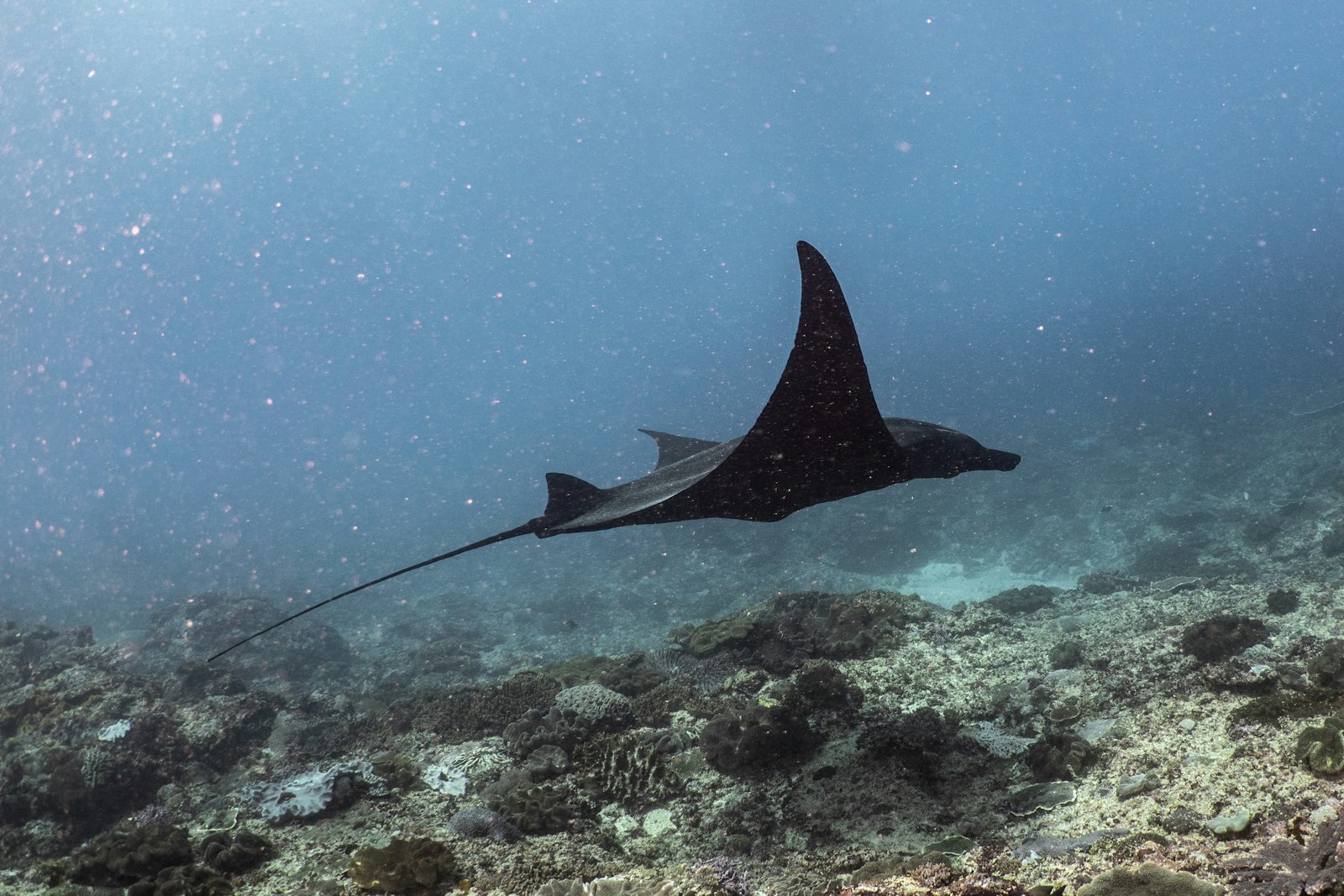
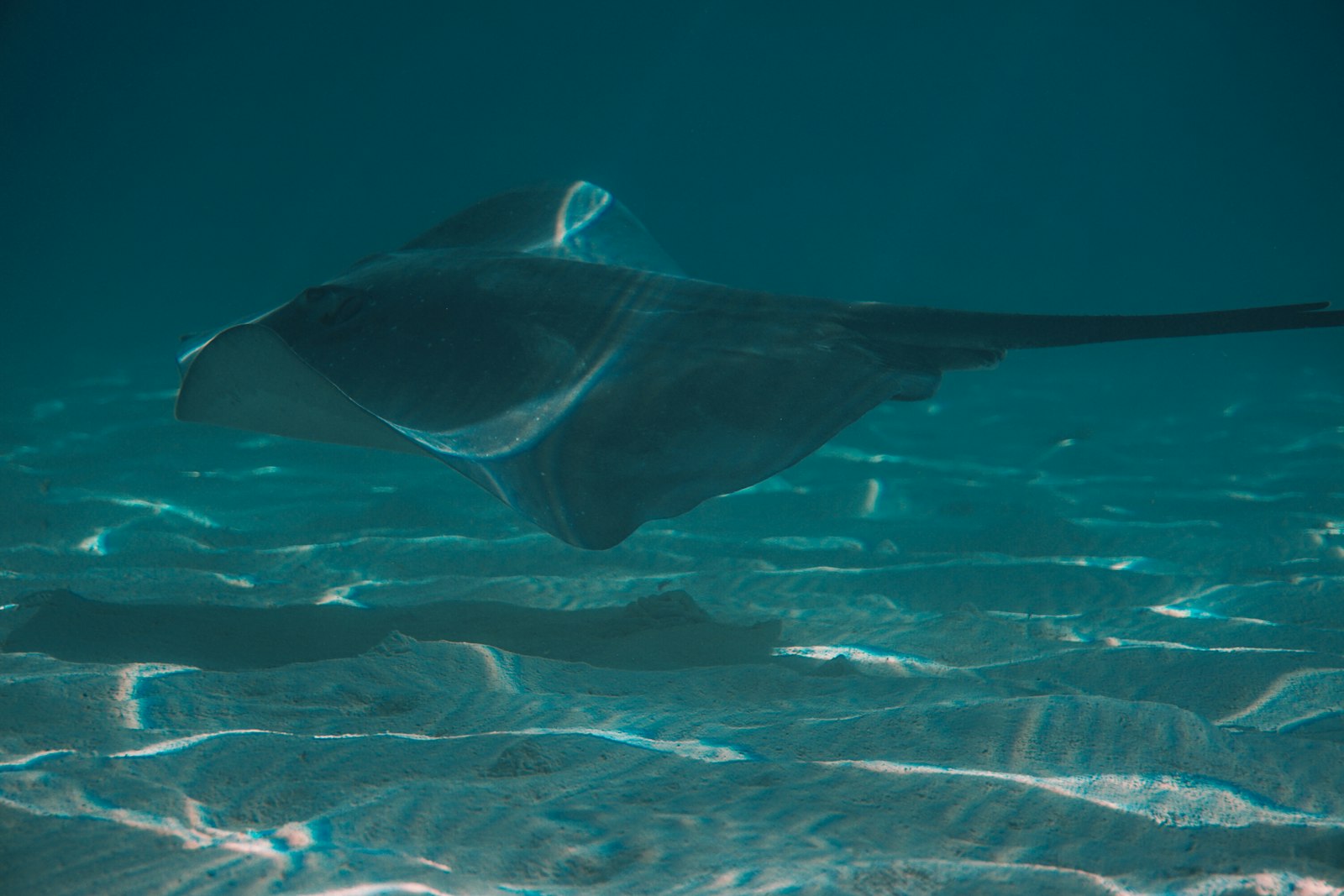
Die Hanifaru-Bucht im Baa-Atoll ist die berühmteste: die „Suppe“ aus Mantas und Walhaien, die von Juni bis Oktober herrscht, wenn die Gezeiten das Plankton in die Bucht leiten. Hanifaru selbst ist nur zum Schnorcheln zugänglich und genehmigungspflichtig, und das Erlebnis wird streng geregelt (maximal 80 Personen gleichzeitig im Wasser, maximal 45 Minuten pro Sitzung, unter der Leitung eines Rangers). Aber der Rest von Baa, Raa und Lhaviyani ist in denselben Monaten weit offen und bietet zahlreiche Tauchgänge an Putzstationen, an denen regelmäßig Mantas vorbeikommen.
Der August ist die Wahl für Querdenker. Bewölkter Himmel, gelegentliche Sturmböen, weniger Boote in den zentralen Atollen – und man sieht in einer Woche mehr Mantas als die meisten Taucher in einem Jahrzehnt. Das Tauchangebot ist vielfältig: einige Kanaltauchgänge, zahlreiche Thila-Tauchgänge und die Manta-Putzstationen als wechselnde Hauptattraktion. Der Südwestmonsun sorgt für etwas grüneres Wasser (die Sichtweite liegt bei 15 bis 25 Metern statt bei 25 bis 35 Metern wie beim Nordostmonsun), aber das Plankton ist der eigentliche Grund, warum die Mantas dort sind.
Hanifaru: Was Sie erwartet
Die Bucht ist ein kleines, hufeisenförmiges Riff, wo Gezeiten und Wind zusammenwirken und das Plankton zu einer dichten Wolke zusammenpressen. Wenn die Blüte stark ist, versammeln sich Mantas (manchmal 40 bis 100 Exemplare) und Walhaie, um zu fressen. Sie bilden Ketten, rollen sich durch das Plankton und fressen nur wenige Zentimeter von den Schnorchlern entfernt. Es ist spektakulär und wird bis zum Umfallen fotografiert. Einige der meistgeteilten Unterwasserbilder von Mantas, die Sie je gesehen haben, stammen aus Hanifaru.
Der Haken (und den gibt es immer): Die Bucht ist nur bei bestimmten Kombinationen aus Gezeiten und Mondphasen in voller Pracht zu erleben. Die Reiseveranstalter stimmen ihre Reiserouten so ab, dass sie die Gezeitenfenster optimal nutzen, aber es kann trotzdem vorkommen, dass man eine Woche erwischt, in der es in der Bucht ruhig ist. Planen Sie mit der Möglichkeit, nicht mit der Gewissheit.
Der tiefe Süden: März bis Mai, August bis November
Die südlichen Atolle (Huvadhoo, Fuvahmulah, Addu) sind im Grunde ein anderes Land. Größere Tiere, stärkere Strömungen, weniger Riffe in unmittelbarer Nähe und Reiserouten, die 9 bis 11 Nächte statt sieben dauern, da man den Standort wechseln muss. Die meisten Tauchsafaris in den Süden starten von Gan (dem Flughafen in Addu) oder Kooddoo (Gaafu Alifu) statt von Malé, also plan einen Inlandsflug vom Velana International Airport an beiden Enden ein.
Fuvahmulah, Tigerhaie und Fuchshai
Tigerhaie gibt es in Fuvahmulah das ganze Jahr über, am einfachsten sind Tauchgänge jedoch von August bis November. Der Tauchgang ist eine Begegnung mit Tiefsee-Tigerhaien (oft in 25 bis 30 m Tiefe) an einem einzigen Tauchplatz (dem „Tigerzoo“) mit etablierter Köderpraxis. Die Begegnungen sind zuverlässig: an guten Tagen drei bis fünf verschiedene Tigerhaie pro Tauchgang, die anhand ihrer Zeichnung identifiziert werden, wobei die Veranstalter Aufzeichnungen darüber führen, welche Individuen anwesend sind. Sichtungen von Fuchshai-Arten konzentrieren sich auf denselben Zeitraum; sie befinden sich in der Tiefe (35 bis 40 m, am Rande des Sporttauchbereichs) und erfordern einen sorgfältigen Tauchplan.
Fuvahmulah verdient ein eigenes Kapitel. Es ist das einzige echte Hochseeatoll auf den Malediven, ohne schützendes Barriereriff, und das Tauchen spiegelt dies wider. Wellengang, Strömung, Tiefe und die Chance, dass pelagische Arten aus dem Indischen Ozean vorbeiziehen. Wenn Sie schon einige Wochen in den Kanälen der Malediven verbracht haben und etwas Anspruchsvolleres suchen, ist dies die richtige Reise.
Tauchen im Huvadhoo-Kanal
Huvadhoo ist flächenmäßig das größte natürliche Atoll der Welt. Das Tauchen im Kanal hier ist genau das, wofür Sie auf die Malediven gekommen sind: große Kanäle, starke Strömung, Schwärme von Grauen Riffhaien, vorbeifliegende Adlerrochen und die Chance, Mantas an den Putzstationen am Innenriff zu sehen. Am besten zu beiden Seiten des Monsunwechsels: März bis April und Oktober bis November.
Addu und die Wracks
Das Addu-Atoll beherbergt das Wrack der „British Loyalty“ (ein Öltanker aus dem Jahr 1944, intakt, in 30 m Tiefe) sowie mehrere andere Wracks aus dem britischen Marinestützpunkt des Zweiten Weltkriegs. Das Tauchen hier ist für die Malediven ungewöhnlich: Es konzentriert sich auf Wracks und bietet eine andere Farbpalette (mehr Schlamm, weniger Korallen) als die zentralen Atolle. Es lohnt sich, im Rahmen einer längeren Reise durch den Süden ein paar Tage hier zu verbringen.
Die Übergangswochen: April und November
Wenn Sie sich nicht zwischen den beiden Hauptsaisons entscheiden können, sind die Übergangswochen im April und November die richtige Wahl. Die Bedingungen befinden sich im Übergang (was etwas weniger vorhersehbare Strömungen und etwas mehr Wettervariabilität bedeutet), aber die Artenzusammensetzung vereint oft Merkmale beider Monsune. Der April kann Hammerhaie (Überbleibsel des Nordostmonsuns) sowie den Beginn der Manta-Saison an den Reinigungsstationen bieten. Der November kann das Ausklingen der Manta-Ansammlung sowie die wiederkehrende Klarheit des Nordostmonsuns bieten.
Auch die Preise sind in den Übergangswochen günstiger. Die Veranstalter gewähren Rabatte, um die Kabinen zwischen den sogenannten „Spitzenwochen“ zu füllen. Wir haben bereits die allgemeine Logik der Preisgestaltung in der Nebensaison in Raja Ampat erläutert; dieselbe Dynamik gilt auch auf den Malediven, allerdings mit etwas geringeren Rabatten (10 bis 25 % statt 20 bis 40 %), da die Preise für Tauchsafaris auf den Malediven weniger stark schwanken als in Indonesien.
Die „All-inclusive“-Reiserouten
Einige Anbieter bieten 10- bis 14-tägige Routen an, die mehrere Atolle abdecken: Zentral- und Südatolle oder Nord-, Zentral- und Südatolle. Diese Reisen bieten in der Regel die besten Tauchmöglichkeiten, die man auf den Malediven in einer einzigen Woche erleben kann, allerdings mit dem Nachteil längerer Transferzeiten (längere Überfahrten zwischen den Atollen, weniger Zeit pro Tauchplatz) und eines höheren Preises.
Wenn Sie die Standardwoche in den zentralen Atollen bereits hinter sich haben und noch weiter gehen möchten, sind dies die nächsten Schritte. Suchen Sie nach Reisen, die mindestens zwei Atolle kombinieren (Vaavu + Huvadhoo, Baa + Ari, Nord-Malé + Süd-Ari + Vaavu), anstatt nach Reisen, die dreimal dasselbe Atoll umrunden.
Ein Hinweis zu Velaa, Conrad und dem Tauchen von Resorts aus
Auf den Malediven gibt es auch eine starke Resort-Tauchszene, bei der man in einem Überwasser-Bungalow übernachtet und mit Tagesbooten zu nahegelegenen Tauchplätzen fährt. Für die in diesem Artikel behandelten Tauchgänge (Kanaltauchgänge, Routen über mehrere Atolle, die langen Überfahrten nach Hanifaru oder Fuvahmulah) ist ein Tauchsafari-Boot die einzige praktische Lösung. Resort-Tauchen eignet sich gut für kürzere Aufenthalte, Gruppen mit unterschiedlichen Erfahrungsstufen oder alle, die einen Urlaub mit einer Mischung aus Tauchen und Nicht-Tauchen mit der Familie verbringen möchten. Die beiden Formate zielen auf unterschiedliche Reisen ab.
Die Faustregel, die die meisten Anbieter befolgen: Wenn die Route nach Norden führt, buche sie im Nordostmonsun. Wenn sie nach Süden führt oder während der Manta-Saison in den zentralen Atollen verweilt, buche sie im Südwestmonsun. Wenn sie überall hinführt, buche sie für die Übergangswochen im April oder November.
Was Sie den Veranstalter vor der Buchung fragen sollten
Reiserouten werden unter Namen verkauft („Best of Maldives“, „Manta Special“, „Southern Expedition“), und diese Namen sind im Grunde bedeutungslos. Bevor du buchst, frag nach der täglichen Tauchplatzliste und überprüfe dann drei Dinge:
- Wie viele Kanaltauchgänge stehen Thila-Tauchgängen gegenüber? Bei Kanaltauchgängen sieht man Haie und große pelagische Fische; bei Thila-Tauchgängen sieht man die Details des Riffs. Eine Reise mit sieben Kanaltauchgängen in sieben Tagen ist für einen Anfänger anstrengend. Eine Reise mit nur einem Kanaltauchgang ist für einen erfahrenen Taucher eine Enttäuschung.
- Auf welcher Seite des Atolls plant das Boot zu tauchen? Im Nordostmonsun sind die östlichen Kanäle zu bevorzugen. Im Südwestmonsun sind die westlichen Kanäle zu bevorzugen. Wenn die Antwort lautet: „Wir schauen, wie das Wetter wird“, ist das in Ordnung, aber fragen Sie nach dem Ausweichplan.
- Wie lange arbeitet der Kreuzfahrtleiter schon in diesen Gewässern? Tauchen auf den Malediven ist im Wesentlichen ein Spiel mit der Strömung. Ein Guide, der hier schon 200 Touren gemacht hat, wird dir die Fische zeigen; ein Guide, der 10 gemacht hat, wird dir den Tauchplatz zeigen.
- Was ist der Plan des Bootes, wenn der Tauchplatz nicht befahrbar ist? Die guten Veranstalter haben eine Liste mit alternativen Tauchplätzen für jedes Wetter-Szenario. Die weniger erfahrenen Veranstalter halten sich an die geplante Route und enttäuschen dich bei der Einweisung.
- Wie werden die Tauchgruppen aufgeteilt? Qualitativ hochwertige Boote beschränken die Gruppen auf 4 bis 6 Taucher pro Guide. Größere Gruppen bei einem Kanaltauchgang auf den Malediven können unsicher sein und führen definitiv zu einer Verkürzung der Grundzeit, da der Guide sich um den langsamsten Taucher kümmern muss.
Häufig gestellte Fragen
Wann ist der absolut beste Monat?
Wenn wir einen einzigen Monat nennen müssten, wäre es der März. Später Nordostmonsun, höchste Zuverlässigkeit bei Hammerhaien in Rasdhoo, höchste Zuverlässigkeit bei Walhaien in South Ari, ruhiges Wetter und der Beginn der Nebensaison-Rabatte der Anbieter, da die Hochsaison um Weihnachten und Neujahr vorbei ist.
Kann ich im Juni auf den Malediven tauchen?
Ja. Im Juni beginnt der Südwestmonsun. Die Bedingungen sind weniger stabil als im März, aber die Manta-Ansammlungen an den zentralen Atollen beginnen sich zu bilden. Die Preise sind deutlich günstiger als in der Hochsaison von Dezember bis März. Eine gute Wahl für preisbewusste Taucher, die mit gewissen Wetterschwankungen zurechtkommen.
Wie viele Tauchgänge werde ich machen?
Der Standardplan für Tauchsafaris auf den Malediven sieht drei Tauchgänge pro Tag vor, gelegentlich auch vier. Bei einer 7-tägigen Reise sind 17 bis 22 Tauchgänge zu erwarten. Bei einer 10-tägigen Reise sind es 24 bis 30. Boote auf den Malediven verteilen die Tauchgänge tendenziell über den Tag verteilt mehr als Boote im Roten Meer; man hat längere Oberflächenpausen und mehr Zeit an Deck.
Wie hoch ist die durchschnittliche Wassertemperatur?
27 bis 30 °C das ganze Jahr über. Ein 3-mm-Neoprenanzug ist für die meisten Taucher ausreichend; ein 5-mm-Anzug oder ein 3-mm-Anzug mit Kapuzenweste ist bequem, wenn dir schnell kalt wird. In manchen Monaten gibt es bei Tauchgängen in tiefen Kanälen kühlere „Thermoklinen“, die die Temperatur kurzzeitig um 3 bis 4 °C senken können.
Muss ich auf rifffreundliche Sonnencreme achten?
Ja. Auf den Malediven gab es in den letzten zehn Jahren mehrere Fälle von Riffbleiche. Bringen Sie Sonnencreme auf Zinkbasis und ohne Oxybenzon mit. Die meisten Resorts und Bootsläden verkaufen sie, allerdings mit hohen Aufschlägen.
Wie sieht es mit dem Rückflug nach dem Tauchen aus?
Die meisten Veranstalter beenden die Reise mit einem halben Tag in Malé und einem tauchfreien Vormittag. Die 18-Stunden-Regel zwischen dem letzten Tauchgang und dem Flug ist Standard. Internationale Flüge ab Velana starten meist am späten Abend, sodass eine Rückkehr zum Hafen am Vormittag für die meisten Reisepläne gut passt.
Sind Inlandsflüge im Preis inbegriffen?
Normalerweise ist für Reisen zu den zentralen Atollen, die in Malé starten, kein Inlandsflug erforderlich. Bei Reisen in den Süden ab Gan oder Kooddoo ist der Inlandsflug in der Regel nicht im Reisepreis enthalten. Rechnen Sie mit 150 bis 250 US-Dollar für den Hin- und Rückflug.
Kann ich auf den Malediven tauchen lernen?
Ja, aber nicht auf einem Tauchsafari-Boot. Auf Tauchsafaris auf den Malediven wird mindestens ein Open-Water-Tauchschein erwartet, und für das Tauchen in den Kanälen ist meist ein Advanced-Tauchschein erforderlich. Lernen Sie das Tauchen zunächst in einem Resort und buchen Sie dann die Tauchsafari für die Rückreise.
Ein Beispiel für eine 7-tägige Route durch die zentralen Atolle, Tag für Tag
Um den Rest des Artikels zu veranschaulichen, folgt hier der Tagesablauf einer typischen Woche im Nordostmonsun in den zentralen Malediven, basierend auf einem 7-tägigen Charterabenteuer ab Malé. Jeder Veranstalter hat leichte Abweichungen, aber der Rhythmus ist allgemein genug, um als Richtwert zu dienen.
- Tag 1. Einschiffung am Nachmittag. Testtauchgang an einem ruhigen Thila im Nord-Malé-Atoll, um Ausrüstung, Gewichtsverteilung und Computereinstellungen zu überprüfen. Begrüßungsessen vor Anker in einer geschützten Lagune. Einweisung durch die Crew zu Sicherheit, Strömungen und dem Wochenplan.
- Tag 2. Drei Tauchgänge an Tauchplätzen im Norden von Malé: ein Kanaltauchgang am Lankan- oder Banana-Riff, ein Thila-Tauchgang am HP-Riff und ein ruhigerer Rifftauchgang am Nachmittag. Fahrt nach Süden während des Abendessens zum Ari-Atoll.
- Tag 3. Zwei Kanaltauchgänge in Ari (Fish Head, Maaya Thila) sowie ein Thila-Tauchgang am Nachmittag. Schnorchelbegegnung mit Walhaien, sofern die Bedingungen es zulassen. Cocktails bei Sonnenuntergang auf dem Oberdeck, früher Schlafengehen, da Tag vier vor Tagesanbruch beginnt.
- Tag 4. Weckruf um 5:30 Uhr für den Hammerhai-Tauchgang bei Rasdhoo Madivaru. Negativer Einstieg, 25 m, Daumen drücken für die Schwärme. Rückkehr zum Boot, Frühstück, drei weitere Tauchgänge bei Rasdhoo und an Tauchplätzen im nördlichen Ari.
- Tag 5. Weiterfahrt nach Süden durch das Ari-Atoll. Drei Tauchgänge an Tauchplätzen im südlichen Ari, mit Schwerpunkt auf Reinigungsstationen und den Kanalmündungen. Fotografen haben sich am fünften Tag meist in ihren Rhythmus eingefunden; an diesem Tag wird das Tauchprotokoll interessant.
- Tag 6. Weiterfahrt nach Osten zum Vaavu-Atoll. Drei Tauchgänge, darunter die berühmte Haifütterung bei Alimathaa (eine organisierte, ethisch umstrittene Versammlung von Grauen Riffhaien) und ein Kanaltauchgang bei Miyaru Kandu. Rückkehr nach Norden für die Nacht.
- Tag 7. Zwei Tauchgänge am Vormittag in Süd-Malé (Kandooma Thila ist ein Favorit), dann ein Zwischenstopp für das 18-stündige Flugverbot. Abschlussessen, Trinkgeldumschläge, Zertifikate und Unterschriften im Tauchprotokoll. Rückkehr nach Malé zum Frühstück am 8. Tag und zum Heimflug.
Bei der Südwest-Monsun-Variante dieser Reise werden die östlichen Kanäle gegen westliche ausgetauscht, mindestens ein Tauchgang an der Manta-Putzstation am Lankan Reef oder einem vergleichbaren Ort hinzugefügt und der Hammerhai-Tauchgang im Morgengrauen bei Rasdhoo gegen einen Schwerpunkt auf Hanifaru getauscht, falls die Reise bis zum Baa-Atoll verlängert wird.
Der beste Ratschlag
Buchen Sie die Reise, die zur Jahreszeit passt, und nicht die Jahreszeit, die zu Ihrem Jahresurlaub passt. Wenn Ihre Aprilwoche dem Tauchen in den südlichen Atollen gewidmet ist, machen Sie es im April, wenn die südlichen Atolle in voller Blüte stehen. Wenn Ihre Augustwoche den zentralen Atollen und Hanifaru gewidmet ist, machen Sie es im August, wenn die Bucht voller Mantas ist. Buchen Sie im August keine Reise zu den nördlichen Hammerhaien, nur weil Sie in dieser Woche Zeit haben; die Tauchgänge werden ruhiger sein, die Veranstalter werden weniger interessiert sein, und Sie werden sich fragen, warum alle so von den Malediven schwärmen.
Durchsuchen Sie die aktuellen Abfahrten für Tauchsafaris auf den Malediven und filtern Sie nach Monat. Die Veranstalter, die im Mai, August oder November aggressive Preise anbieten, sind in der Regel diejenigen, die genau wissen, was in dieser Woche unter Wasser los ist, und die genug Vertrauen in ihr Produkt haben, um Rabatte zu gewähren. Das sind die Reisen, die es wert sind, gebucht zu werden. Wenn du eine konkrete Empfehlung für das Boot suchst, das eine bestimmte Kombination aus Atoll und Saison am besten abdeckt, melde dich bei uns; das ist eine Frage, die wir konkret und nicht allgemein beantworten, und wir haben die meisten der großen Veranstalter selbst erlebt.